The term world history may send your mind spinning back to high school, but world history is an important genre of historical study. It means history that is not bounded by the past of one nation or people. It is the story of how we got here as a whole, enmeshed world, not just as discrete national or ethnic groups. If you’re researching historical topics that connect different peoples together, you’re looking for world history. (World history is related to but not the same as universal history, which is a history of the entire world; world history may be selective about what parts of the world it covers, as long as it isn’t limited by national/cultural boundaries. Yes, it’s confusing.)
There are many different approaches to world history, however, and which one you want to look for depends on what you need. Here’s a brief spotter’s guide to some of the main varieties of world history you’ll find in the scholarship, how to recognize them, and what you might want to go to them for as a writer. These are not the only varieties of world history out there, but knowing these types will help you sort through the sources you will come across in your research.
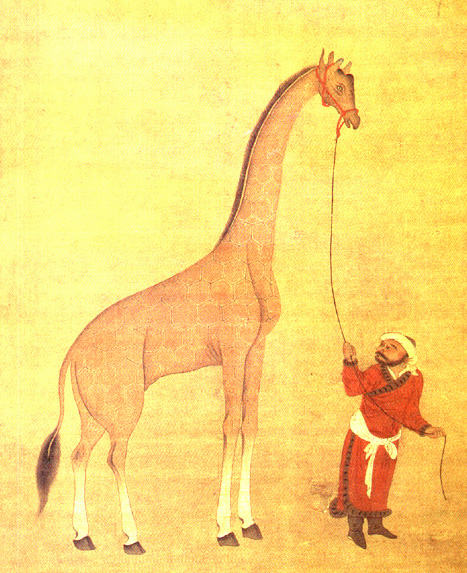
1. Interconnected History
Or: “Whoa, This Stuff Is All Connected And Stuff, Man”
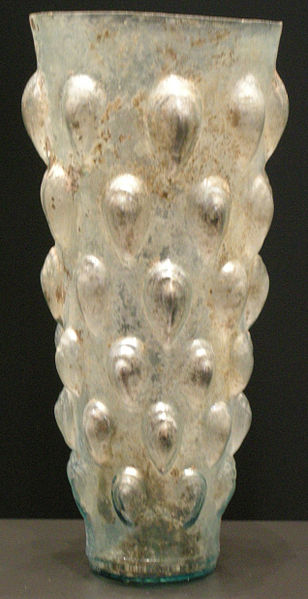
Historical events don’t happen in a vacuum. Cultures communicate and trade with each other. People travel, taking goods and ideas with them. Interconnected History is about tracing these lines of communication and commerce and discovering how events in one part of the world affected other parts.




#/media/File:A_classical_dictionary_of_Greek_and_Roman_biography...revised.._(1894)_(14779978921).jpg)
