Some Early Plant Depictions in Prehistoric Art

Although I’m interested in early art, formal art history either as books or lectures typically bores me to tears. Thankfully the Internet and open access allow me to dip in and out where and when my interests take me. Recently an article on some of the earliest plant images in prehistoric art caught my eye.

In their article “The Earliest Vegetal Motifs in Prehistoric Art” (in the December 05, 2025, issue of Journal of World Prehistory), authors Yosef Garfinkel and Sarah Krulwich note that systematic depictions first appear on painted pottery of the Halafian culture of northern Mesopotamia (roughly around the headwaters of Tigris and Euphrates) c. 6200-5500 BCE.

(They do later modify this statement with “this is one of the world’s earliest extensive uses of vegetal motifs, and the earliest in the Near East”, so I guess the jury is still out as to what is considered the earliest find we know of.)

Garfinkel and Krulwich analyzed 29 Halafian sites and surveyed of one of the regions, for a total of several tens of thousands of painted pottery sherds with various motifs. The sherds mainly included geometric patterns, but also had depictions of animals, human figures, and plants.
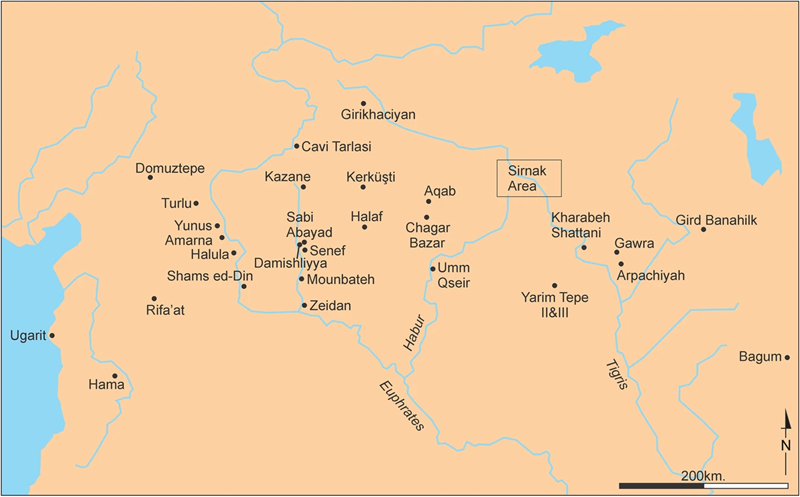
Garfinkel Krulwich Map of Halafian Sites Sm
Map of the Near East showing the location of prehistoric Halafian sites, c. 6200-5500 BCE, in ancient Mesopotamia, as examined in Garfinkel and Krulwich’s survey (2025) of the earliest plant depictions in prehistoric art of the area.

Among the plant imagery, Garfinkel and Krulwich focused on the ones identifiable “without hesitation”. They were able to classify the motifs into four basic categories: flowers, shrubs, branches, and trees.
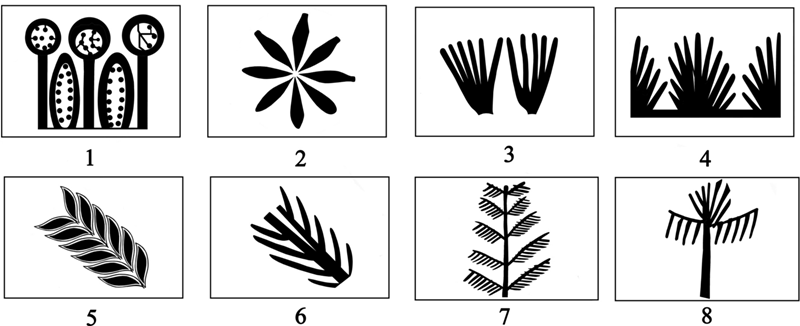
Garfinkel Krulwich Classification of Plant Imagery Orig Sm
The classification of the Halafian vegetal motifs into four basic categories according to Garfinkel and Krulwich (2025): 1–2 flowers, 3–4 shrubs, 5–6 branches, 7–8 trees.

Apparently, botanical motifs were used in almost all sites and were fairly popular.
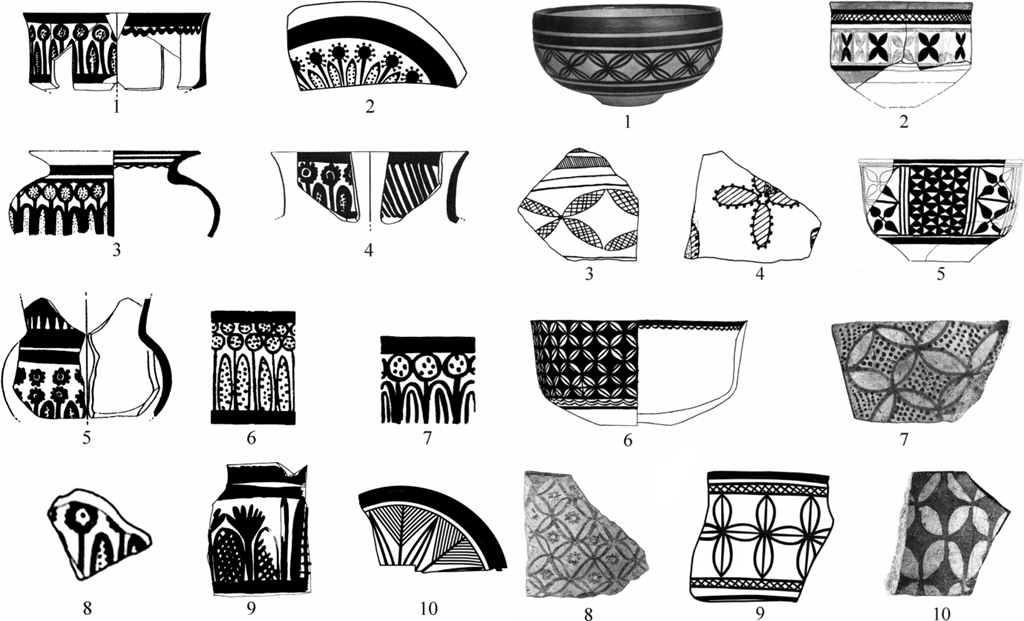
Garfinkel Krulwich Imgs 3and5 Mashup
Collage of images 3 and 5 in Garfinkel and Krulwich (2025): examples of flowers.

Despite the fact that each site only contained a small number of sherds with botanic imagery, a meta-analysis yields interesting results. Presumably the average frequency of plant motifs on decorated sherds is around 4-6 %, and they could perhaps relate to aesthetics (instead of religious rites, for example) and to the advance of mathematical knowledge, Garfinkel and Krulwich suggest.
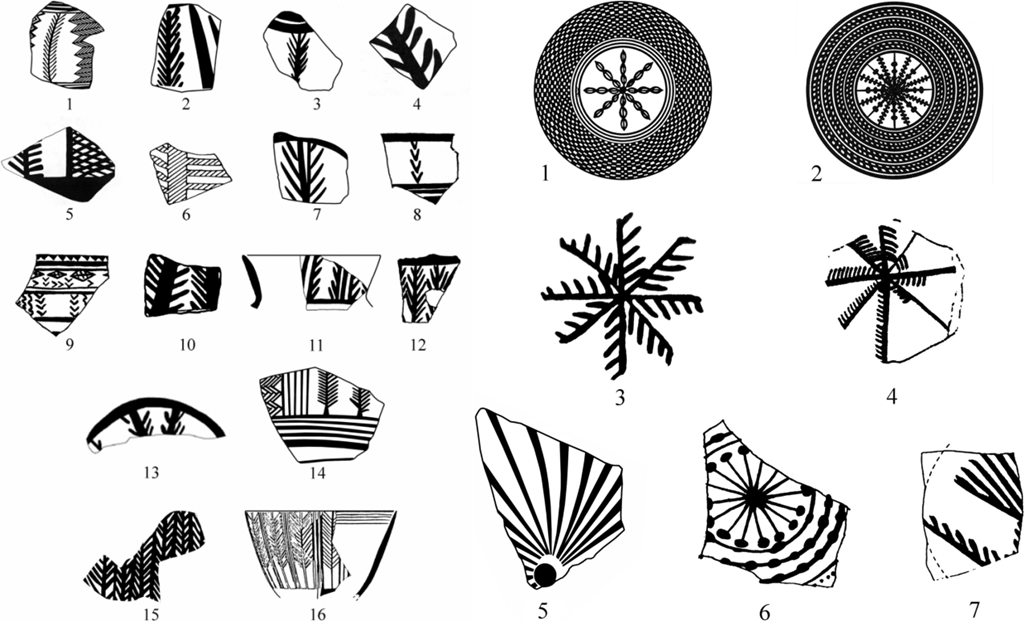
Garfinkel Krulwich Imgs 14and18 Mashup
Collage of images 14 and 18 in Garfinkel and Krulwich (2025): examples of shrubs and branches.

Whole trees are apparently the least common motif among this sample. (I suspect I would initially be hard-pressed to recognize some of these trees as trees, having grown up with very different flora.)
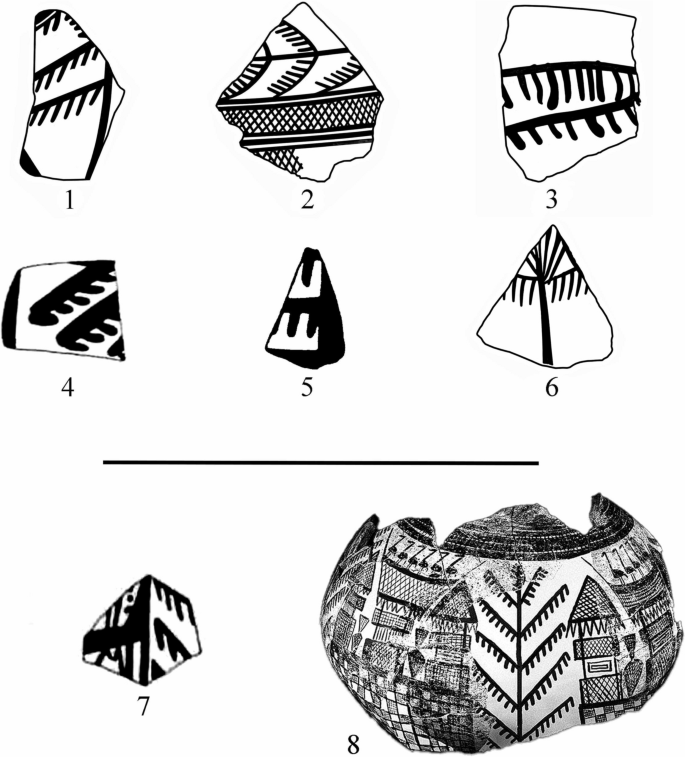
Garfinkel Krulwich Img20
Image 20 in Garfinkel and Krulwich (2025): examples of trees.

Some items came with two different types of plant designs, while others were decorated with plant and zoomorphic images (i.e., animals).
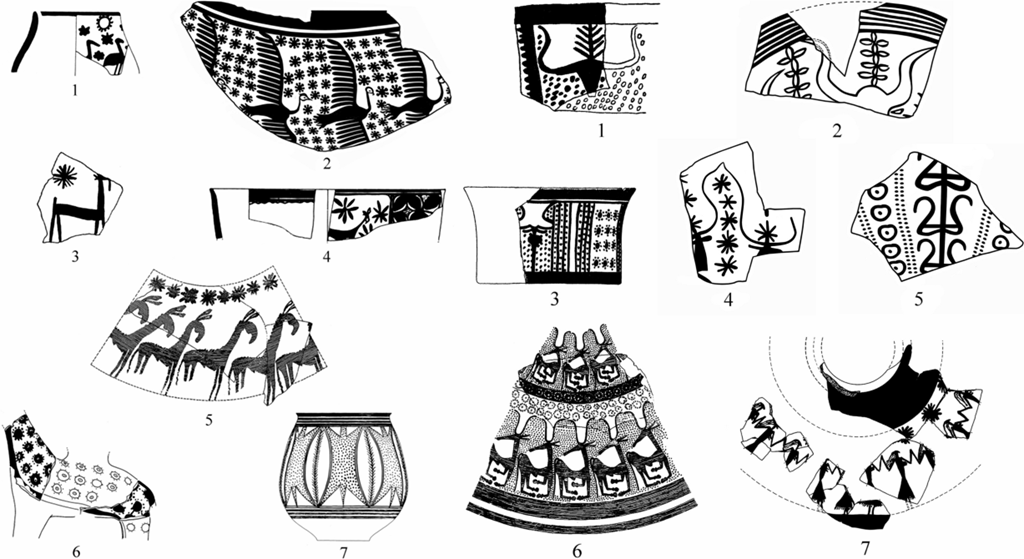
Garfinkel Krulwich Imgs22and23 Mashup
Collage of images 22 and 23 in Garfinkel and Krulwich (2025): examples of combinations of plant and animal images.

(Garfinkel and Krulwich also analyze the sherds from the point of view of mathematical knowledge and counting in the Halafian culture. I’m not interested in ethnomathematics, but if you are, I urge you to visit the article for their finds.)

It seems clear that these sherds from 8,000(!) years ago indicate not just a long history of competent pottery-making but also an established visual language. Considering how random overall the survival of pottery (and glass) remains over the millenia can be, it’s nice to see such a variety and richness in the decorated vessels, especially from an era we tend to (erroneously!) consider backward and dull.

Found via Pottery by Osa on Mastodon.

Images by Yosef Garfinkel and Sarah Krulwich (CC BY 4.0), mashups by Eppu Jensen

Plant Jams, as in Music

Bionic and the Wires is an art project by Jon Ross and Andy Kidd that combines art, nature, and tech. They say they want to “celebrat[e] the inherent rhythms of non-human life forms”.

To create music, electrical fluctuations in the plants trigger bionic arms to play instruments. In other words, the plant essentially generates mallet strikes that, when appropriately placed, hit keyboard keys, cymbals, or the like to make sounds.

Three Plants Having a Jam by BionicandtheWires on YouTube

You can even plug mushrooms into the same setup:

Mushroom and Plant Jamming by BionicandtheWires on YouTube

The resulting music is quite hypnotic in a way and truly fascinating.

I wonder what it would sound like if the plants were plugged into traditional instruments like hardanger fiddles or zithers. This is definitely a feature I’d love to see in a SFFnal story, especially if there already are sentient plants or fungi.

Fancy Nature-Inspired Cakes

I find that this fall I need to go all out on coziness to try and offset some of the horrible in the world. My comfort browsing therefore includes several of the core aesthetics: cozycore, naturecore, forestcore, summercore, hobbitcore, cottagecore, and more.

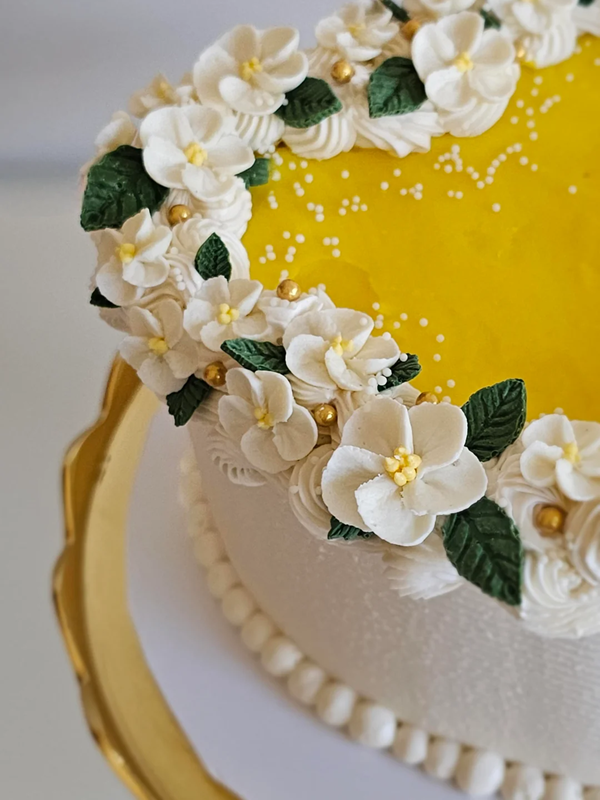
In addition to comfy things, now and then you find something simply stupendous. For instance, Reddit user Green-Cockroach-8448 makes just incredible, absolutely jaw-dropping cakes. Here are two examples that I adore:

Reddit Green-Cockroach-8448 Blue Cake
Reddit Green-Cockroach-8448 White Cake

The incredible thing is that she bakes as a hobby, not professionally. These results definitely do put some professional efforts to shame, they’re so astounding. My gast is thoroughly flabbered.

With these mouth-watering treats we wish a Happy Thanksgiving to our readers in the U.S.!

Images by Green-Cockroach-8448 on Reddit: Blue cake. White cake.

Living Vicariously Through Social Media: Flowering Cacti

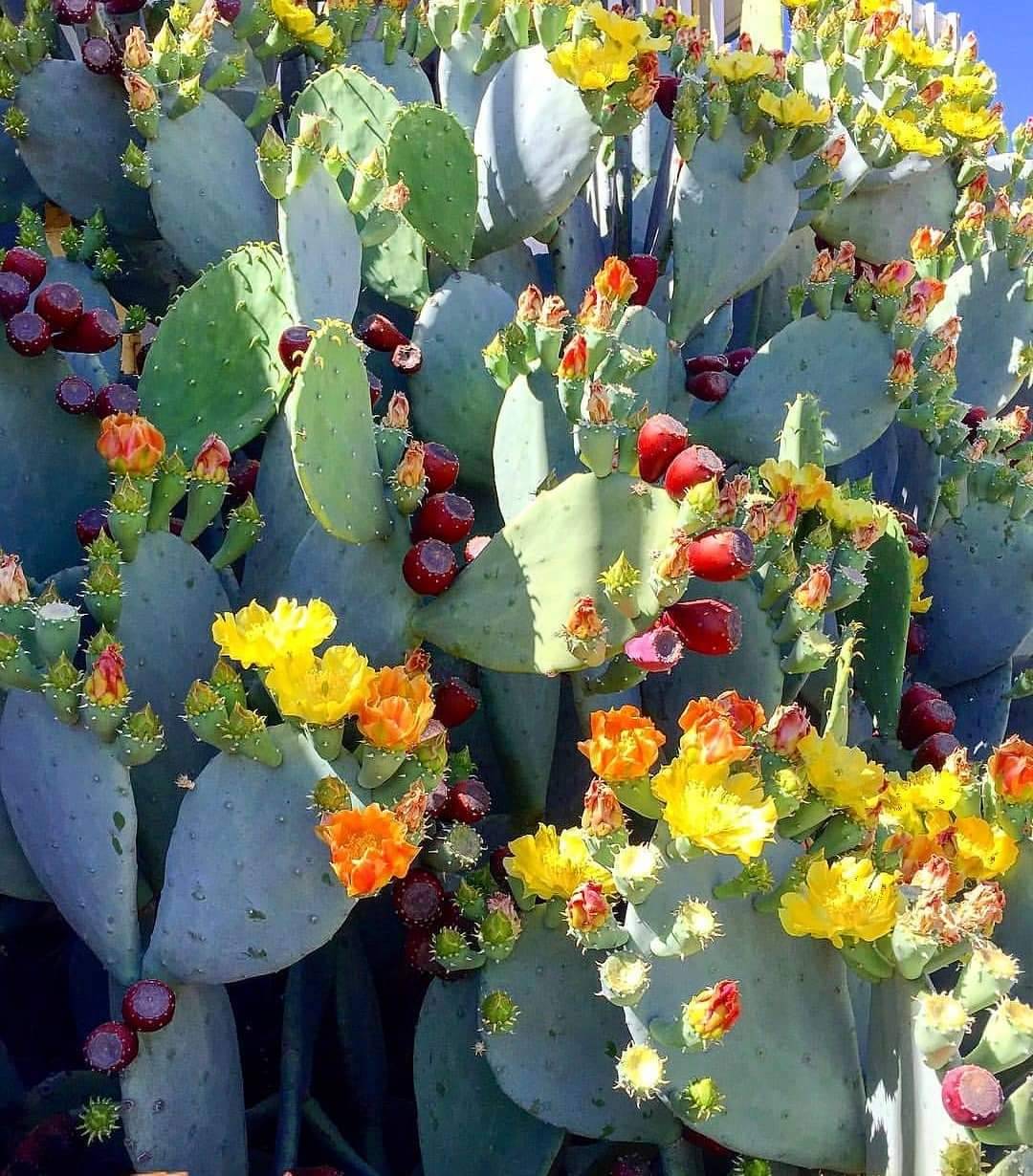
Just look at the mass of flowers on these cacti:

Tumblr mutant-distraction Flowering Cacti

I grew up essentially on a flood plain. While I have visited a few, and know that a lot of deserts are not mostly smooth sand dunes like the Tatooine and Dune stereotype would have us believe, I’ve never actually experienced deserts as a living environment. This is a fabulous glimpse—especially after the long and cold winter Finland had this year.

Image via mutant-distraction on Tumblr

Living Vicariously Through Social Media: Tree-lined Road Abloom

I’ve been reading more fantasy lately than is typical for me. One of the novels paid more attention to everyday colors than Anglo-American fantasy writing tends to do, which turned my brain onto thinking about colors in our environments.

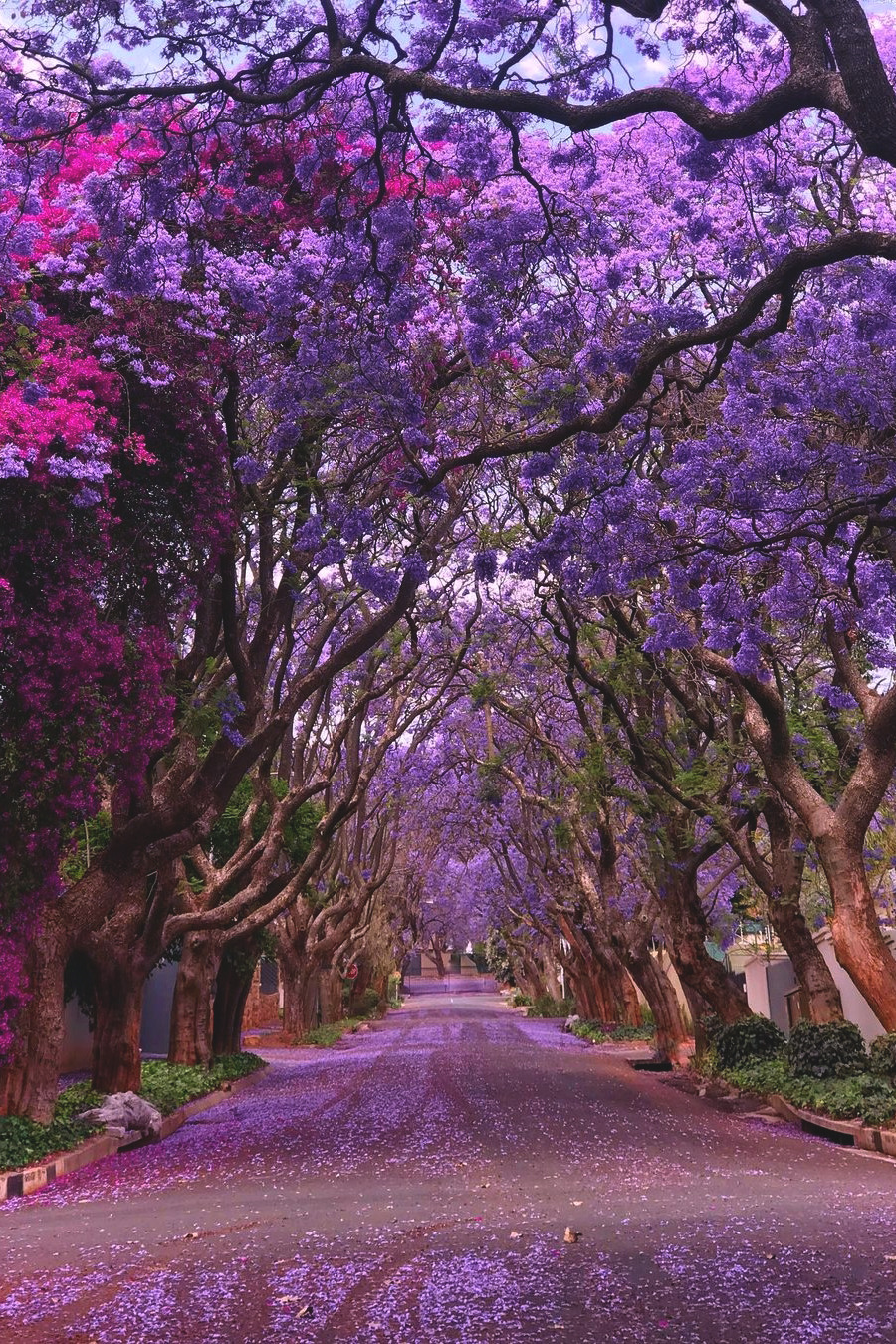
This photo of a tree-lined road with masses of flowers in Parkview, Johannesburg, South Africa, certainly grabbed my attention:

Tumblr Isle of Skye Tree-lined Road in Parkview Johannesburg S Africa

It’s not that I haven’t seen purple or fuchsia flowers on trees or bushes, or tree-lined roads, or tall trees. I just haven’t seen tall trees with purple flowers lining roads before. Fantastic!

Image by traveltrotters_za, found via Isle of Skye on Tumblr

The Visual Inspiration occasional feature pulls the unusual from our world to inspire design, story-telling, and worldbuilding. If stuff like this already exists, what else could we imagine?

Living Vicariously Through Social Media: Skeleton Flowers

There’s this amazing white flower, Diphylleia grayi, whose petals turn transparent in the rain!

Minkara Jiro Skeleton Flower Transparent Blossom

The perennial is sometimes called skeleton flower for good reason. According to My Modern Met, they grow on moist, wooded mountainsides in the colder regions of East Asia and Japan.

My goodness! I could’ve never seen this—wouldn’t have known to look for this—with my own eyes if it weren’t for the Internet.

Found via Good Stuff Happened Today on Tumblr. Visit My Modern Met for more photos!

Image by Jiro at Minkara

Out There is an occasional feature highlighting intriguing art, spaces, places, phenomena, flora, and fauna.
Visual Inspiration: Now I See from Where Ents Might Have Come

As a kid, I spent time playing in the small wooded areas nearby and imagined all sorts of critters living there. I know I did, but at some point I lost the ability (or willingness, or perhaps leisure? I remember an increase in homework around the same time). By the time I read of the enormous woodlands in Tolkien’s Lord of the Rings, I remember having trouble imagining the really large trees of Lothlórien or Mirkwood, or how Ents might be mistaken for trees.

You see, I grew up two hours south of the Arctic Circle. We have woods up there, of course, thanks to the Gulf stream. The trees may not necessarily grow very big, however—although there are exceptions—and the ones that do grow tall tend to be relatively thin and arrow-straight instead of bulky and gnarly. (Two examples here and here. Both are further south than where I grew up, but nevertheless very similar.)

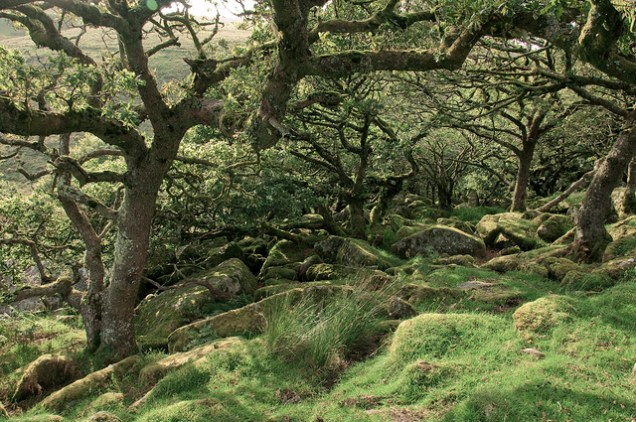
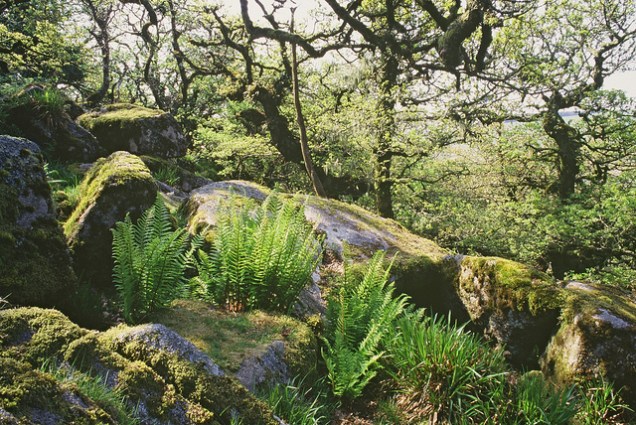
So, even I can easily imagine how a forest might invoke stories of elves, trolls, ents, and other creatures on the basis of photos of Wistman’s Wood in Dartmoor, Devon, England.

Flickr Andy Walker Wistmans Wood

Flickr Clifton Beard Wistmans Wood

Flickr Natural England Peter Wakely Wistmans Wood

Isn’t it breathtaking? It’s like there are Ents about to walk out from behind a tree at any moment!

Images: Andy Walker (CC BY-ND 2.0) via Flicker. Clifton Beard (CC BY-NC 2.0) via Flickr. Natural England/Peter Wakely (CC BY-NC-ND 2.0) via Flickr.

The Visual Inspiration occasional feature pulls the unusual from our world to inspire design, story-telling, and worldbuilding. If stuff like this already exists, what else could we imagine?

Visual Inspiration: Boats Made of Giant Pumpkins

Since 1991, in Gentilly, Quebec, the residents have held an annual giant pumpkin competition—and boat race!—called Potirothon. The name is a portmanteau of potiron and marathon.

After weighing the entrants, some of the giant pumpkins are carved into 1-seater canoes and raced on the Bécancour River.

Tumblr kanbukai Potirothon Canoes

The Potirothon race is so awesome! Although pumpkins aren’t new to me anymore, the giant variety is. This is also the first I hear of carving the giant kind. My mind immediately went to an alternate Shire, or maybe another secondary world where humanoids of a smaller stature might want to use giant hollowed-out gourds / fruit / plants as transport. Or not even necessarily humanoids; intelligent beings of any shape or size.

Found via Good Stuff Happened Today at Tumblr.

Image via kanbukai at Tumblr.

P.S. Scandinavia and the World made a comic about Potirothon!

The Visual Inspiration occasional feature pulls the unusual from our world to inspire design, story-telling, and worldbuilding. If stuff like this already exists, what else could we imagine?