Hugh Jackman’s shepherd George—who turns out much more than a simple farmer—is murdered. He had a habit of reading murder mysteries to his flock, who take it upon themselves to solve his killing. It involves crossing a road—gasp!—to leave their beloved pasture, conducting investigations, and attempting to point the poor hapless local bobby in the right direction.
The script is by Craig Mazin and Leonie Swann, based on Swann’s book; Kyle Balda directs. I know some of Mazin’s work from the series Chernobyl (which was great) and Balda’s from Minions (ditto), so here’s hoping that the plot works.
Can’t wait! 😀
The Sheep Detectives is set to open next Friday, May 08, 2026.
Hey, look! We found a thing on the internet! We thought it was cool, and wanted to share it with you.
We see a little more in this version—like Adam starting to re-gather his team from jail—but how much more can there really be in an origin story? The fight scenes don’t seem to contain anything interesting, either. (I’m really not the prime target audience for this reboot, since it doesn’t seem to do anything new and inventive, merely new as in ‘an updated version’.) Adam’s relationships with his friend(s) on Earth show some comedic promise, at least.
I do wonder how they got such a cast to sign up for what appears a rather uninspired reboot? Unless the trailers lie again?
As MotU really was more my younger siblings’ cup of tea, I think for me it’ll be a movie to get from the library.
Hey, look! We found a thing on the internet! We thought it was cool, and wanted to share it with you.
Eurovision always takes place in May. This year the semifinals are on the 12th and 14th, and the final on Saturday May 16, 2026. Time to start preparing in earnest!
This year I’m hoping for a little less drama; just a good, wholecome, well-meaning, fun competition. Sadly, that’s not very likely this year, with five countries boycotting the event, a participant at war, and who knows what else.
I remember being impressed with Dune: Part One but much less so with Dune: Part Two, so I stopped tracking what’s happening with Dune: Part Three. We’re now approaching the release of D3, however, and a trailer has dropped:
Lots of feels and fleeting character moments, but not many impressions of what will happen in this version of the story. That seems in line with how trailers for block busters work these days.
While much less excited about this conclusion of director Villeneuve’s trilogy than about the Frank Herbert’s originals, I am somewhat interested in how Villeneuve was able to turn a book trilogy plus its sequel novel into a movie trilogy. Perhaps I’ll wait till the disc is out and borrow it from the library.
At this writing, Dune: Part Three is set to release on December 17 or 18, 2026.
Hey, look! We found a thing on the internet! We thought it was cool, and wanted to share it with you.
“I must sleep. Sleep is the mind-healer. Sleep is the big-life that brings total ability to fucking do anything. I will face my bed. I will permit the blankie to pass over me and snores to pass through me. And when sleep has gone past I will turn the outer eye to greet the new morning. When the sleep has gone there will be everything. Energy and will to live will remain.”
Quite a clever rendition.
I will need to keep this firmly in mind, as I have recently-ish completed yet another turn around the sun and have never been this old in my life before…! 🙂
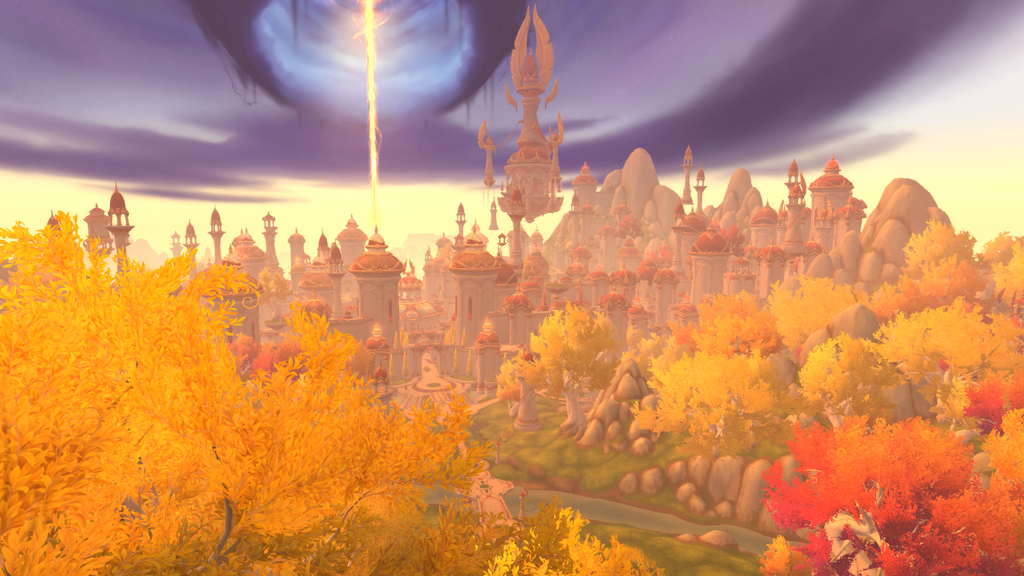
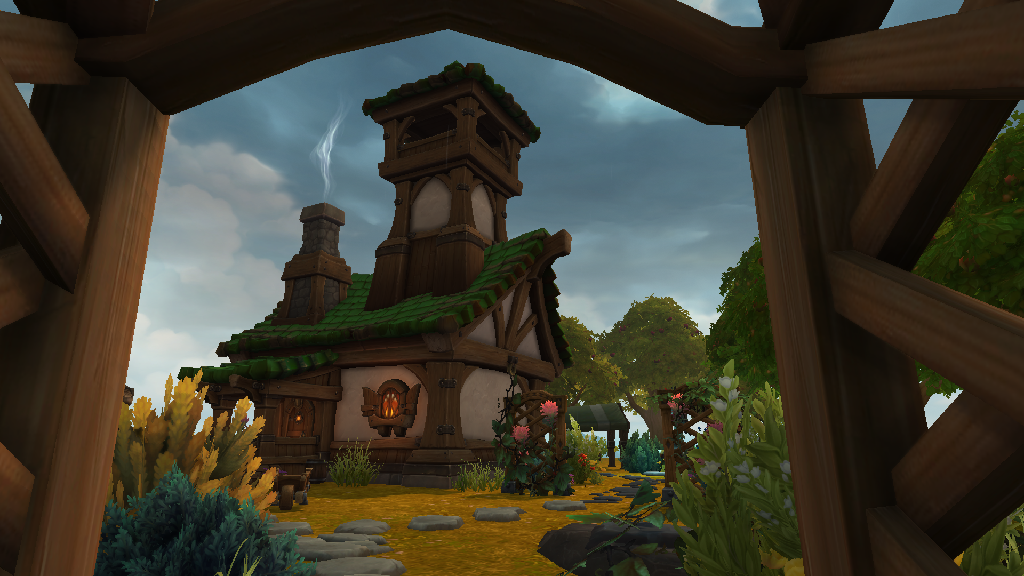
Since Legion, I’ve been hoping for cities as rich and beautiful and towering as Suramar, but nothing has quite come close enough until now. The reimagined Silvermoon City is absolutely gorgeous! Also the Eversong Woods update is delightful. It’s very nice to play in a horde zone and see a Horde city even on Alliance toons.
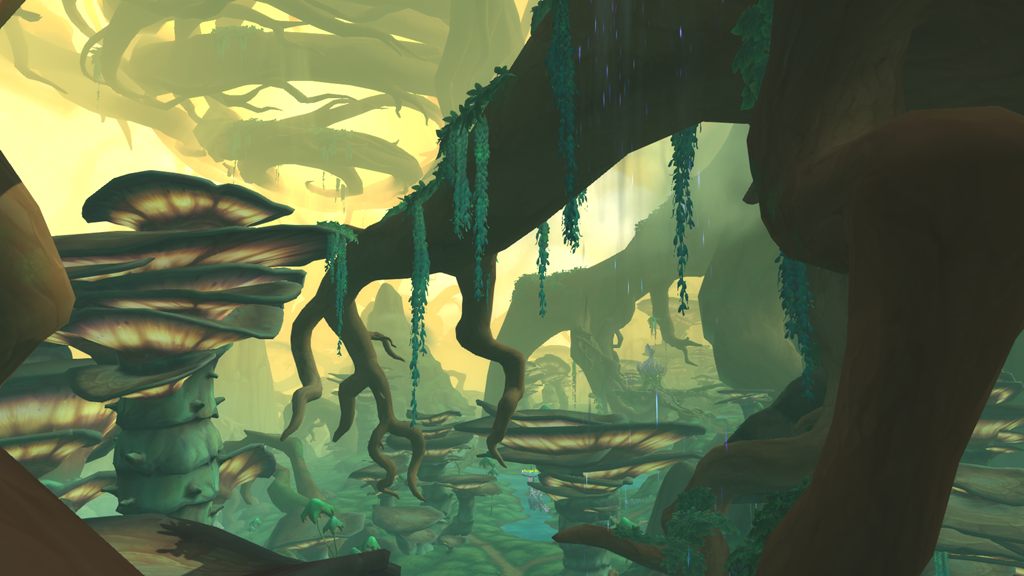
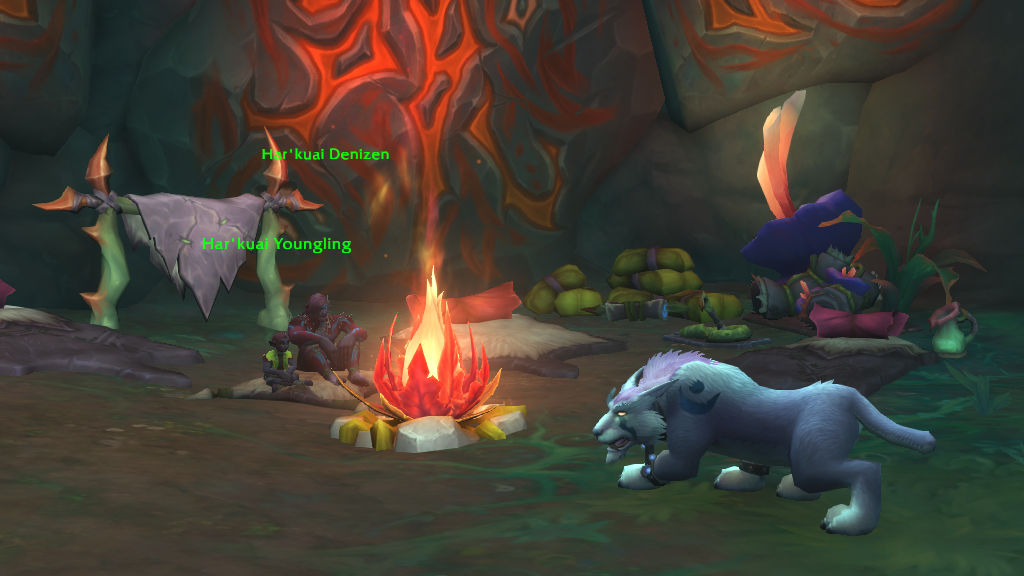
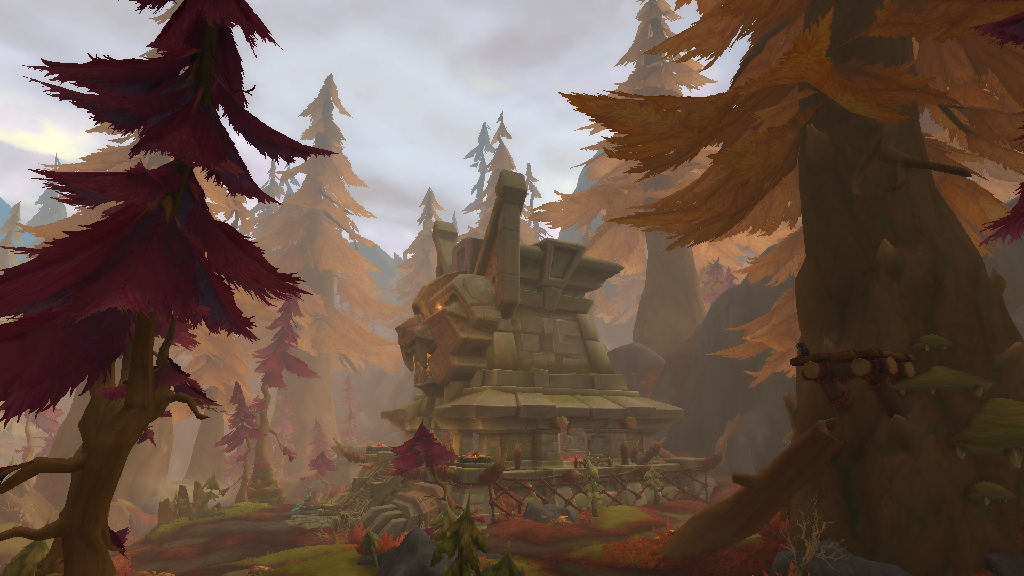
Harandar looks and sounds interesting. It’s fabulous to be able to quest in an area that nods towards the Wildcamp Or’lay area in Azj-Kahet in The War Within, like I wished to. Flying around the roots can be challenging at times, but I really appreciate the attempts at making the flora and fungi unique. (I kinda now have a headcanon that Zangarmarsh was supposed to look like this, but they weren’t able to do it back then.) It’s fascinating how many features Blizzard designers have made plant-like or flower-based, including campfires.
The campaign play has been really smooth up to level 90 (or roughly till Breaching the Voidstorm and Midnight achievements and/or opening world quests). It’s definitely a positive to get housing decor items as quest rewards along with gear. Technically we’ve had very few glitches*, which is a definite improvement over the past few expansion launches.
The new delves are as much fun as the previous ones. During these two expansions, I’ve come to really appreciate being able to set the delve level each time before entering. Persistent in-game adjustability (for the lack of a better term) is a fantastic feature to offset the things that real life throws our way; the days when you can’t handle a run with multiple wipes do not need to happen anymore, at least not with delves.
The new transmog system took a while to get used to (and some repeated tweaking at the back end, I gather) but seems to work now. I do appreciate that the mogged look no longer applies to an individual item but the item slot; that means any gear upgrades are immediately changed to look like you want them to without having to visit a transmogger again. So helpful!
For Erik’s sake, I would’ve wanted to see static flying to be available from the very beginning. Fortunately about two weeks in, Blizzard reversed their decision and opened static flying immediately (instead of being unlockable through achievements, like the plan was). When playing together, I have been taxiing him around on a ride-along mount, but for solo playing he now has the option of the type of flight that suits him.
I can’t say this expansion made me care for the trolls any more than I do (which is very little), but at least the story ran efficiently through the area.
It’s odd to have no pet battling; not quite sure what to think about it yet.
Like I suspected, player housing is fantastic! At early access launch (Dec 2025), we both picked a house plot for our Horde and another one for our Alliance toons. It’s been satisfying to fiddle with the spaces to make them ours.
During the first few months there were some glitches (for one, not being able to visit each other’s houses even though our settings should have allowed it), and the system did appeared unpolished in other respects, too. (For instance, the Blood Elf style of house exterior wasn’t immediately available for Horde.) From the very beginning, though, the adjustability was impressive**, and bit by bit things improved.
My biggest gripe about player housing was and still remains is the budget for placing items outdoors on your plot. The budget is currently capped at 250 at house level 3 and it doesn’t increase even when the house level does. That’s barely enough for my plants! I. Want. More. Space! (And at this writing we haven’t even been able to place light sources outdoors. Changes and updates are underway, however, including pets-as-decor. Yay!)
Erik
My first housing thoughts on World of Housingcraft: Housenight…
*Ahem.*
Let me try again.
My first thoughts on House of Warhousing: Midhouse…
Okay, now that I’ve gotten that out of my system.
(Housing!!)
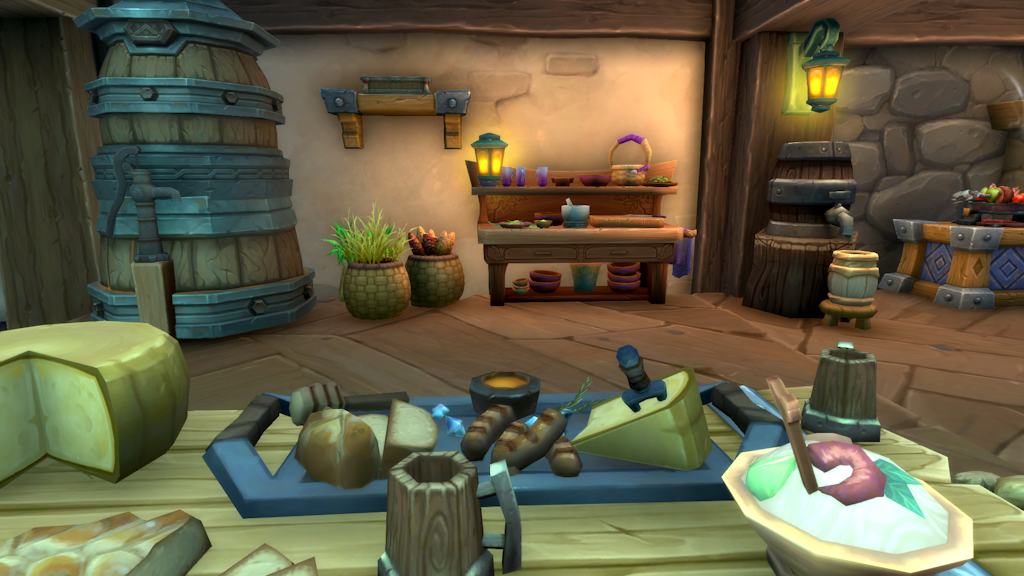
In all seriousness, player housing is the most exciting thing for me that has been added to this game since transmogrification. After years of resisting players’ desire for a place to make our own (and the egregious misstep that was the garrison in Warlords of Draenor) Blizzard has finally embraced the build-with-Legos, do-what-you-want, make-it-your-own spirit. I have spent the past four months gleefully building everything from a cozy cottage kitchen to a starship bridge with a Blood Elf flavor. It’s not entirely fair to say that the new zones, stories, dungeons, delves, etc. of Midnight feel like minor secondary systems, but it’s not too far from the truth.
That being said, I am very much enjoying all the new things that Midnight has to offer. It is fantastic getting to see Silvermoon city rebuilt and brought up to the standards of the modern game. The new zones that refresh and reimagine Eversong Woods, Ghostlands, and the Zul’Aman raid (later dungeon) are all fascinating to play through. They feel organic and integral while still allowing for twenty years of change, growth, and recovery. Since stasis is in the nature of massively multiplayer games (your character may have saved the village from marauding monsters, but the new player who just started hasn’t done that quest yet, so the monsters have to keep marauding), it’s rare that we get a chance to see real change in the game world. It feels good to see that not only has time passed here, but there has been a lot of change for the better.
The stories of these zones feel good to play through. There is a theme of healing and renewal flowing through both the new Eversong Woods and Zul’Aman. In Eversong, we get to see not only the physical restoration of the land after its devastation by the undead Scourge but also the Blood Elves as a people coming to terms with their own past, both its glories and its mistakes. Zul’Aman has a strong narrative throughline about the Amani restoring their relationship with their loa after the events of the raid/dungeon. Often the story of a WoW expansion is about us heroes arriving just in time to stop the worst from happening, but no more than that; it’s rare that we actually get to see things getting better.
The new zones are interesting in their own right. There has been speculation that Harandar was originally intended for The War Within and got bumped to Midnight when Chris Metzen’s return to Blizzard prompted a rewrite of planned stories. I’m not in a position to know whether there’s any truth to that speculation, but Harandar does feel to me like the odd zone out. It doesn’t seem to connect in any organic way—physically, thematically, or narratively—to the rest of the expansion, and does feel somewhat awkwardly bunged in. The campaign quests in the zone did teach me new and interesting things about the Haranir, but I never quite felt like I knew what I was doing there in the first place. Despite it not feeling like a proper part of the expansion, I have thoroughly enjoyed my time wandering around the zone. Harandar is a wild tangle of roots and fungi which is reminiscent of things we have seen before (it shares some creative DNA with old Teldrassil, Ardenweald, and the War Within underground zones), but still feels like a place we’ve never been. I look forward to exploring more of the zone and seeing what else hides under the mushroom caps. I think I’ll be spending plenty of time just enjoying the zone.
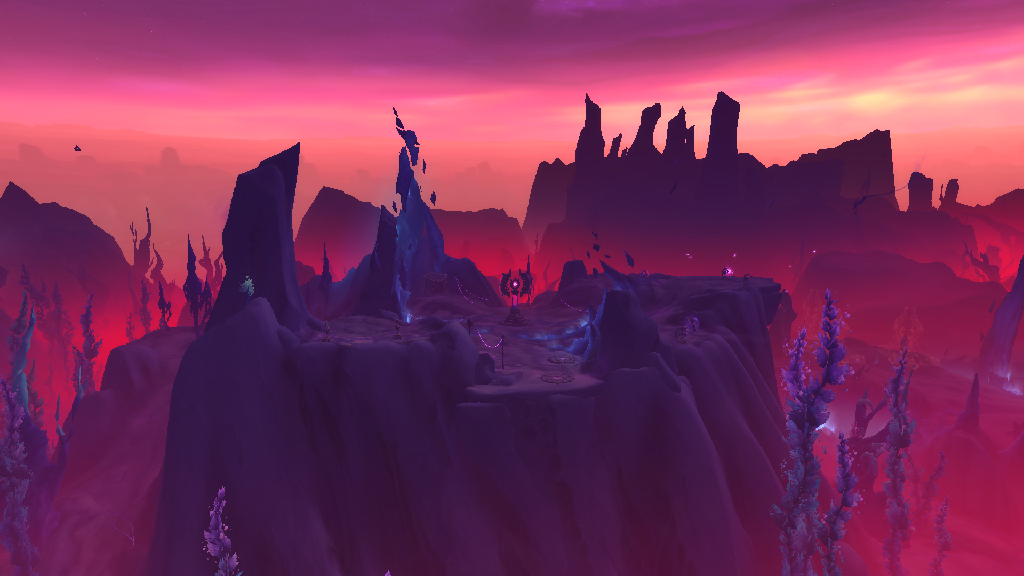
Voidstorm is the complete opposite. It feels like an integral part of the Midnight story. More than any other zone, its relevance to the overarching expansion story is obvious. I know exactly why my character would go there, I just don’t want to. The zone is a blasted, hostile, dangerous place that feels right for a center of the Void’s power, and I don’t want to spend any more time there than I have to. My reaction is not a criticism of the design. In fact, it is a triumph of zone design that Blizzard managed to create another rugged, inhospitable zone that feels just as threatening as past examples of the genre like Maldraxxus in Shadowlands or Azj’Kahet in The War Within while also feeling like a new and distinct place. The fact that I don’t want to spend any time there is because the design team excelled themselves, but it is still the case that I don’t want to spend any time there. I’ve done the campaign quests, and I’ll probably go work through the side quests a little at a time for completion’s sake, but it is not a zone I look forward to exploring and enjoying. That’s about par for the course, though. Quite a few recent WoW expansions have had four base zones, and I’ve mostly avoided one of them and still had a satisfying experience.
At this point, I’ve barely dipped my toe into the expansion’s content beyond leveling. We’ve been through a few dungeons and delves, and I’m enjoying them so far. (The dungeon followers seem to have gotten extra good at body pulling between expansions, but as long as we manage to get through to the end, I don’t feel bad about letting them die when they hop straight into a pack of monsters.) I haven’t sampled the prey system yet, and I’m not sure how much I’ll want to make use of it, but it’s nice that things like that are optional, so if it turns out not to be for me, I can just leave it alone. Professions so far look pretty much the same as The War Within, which is to say overstuffed and overcomplicated, but fun to poke around in if you keep your expectations low.
In the end, though, I’m just looking forward to having more things to put in my house.
*) Sadly, I seem to be one of the people suffering from the minimap glitch. This problem doesn’t seem to be limited just to Midnight—I’ve seen reports of the same glitch going back years—and frustratingly, aggravatingly, isn’t consistent, nor is there a fix from Blizzard. (Not that I’ve found, at least; merely player-to-player tips and tricks.) (Anything and everything I’ve tried works some of the time—but not always. And at times, nothing works at all. Every single “fix” is temporary. GAH!) But! An update: I seem to FINALLY have a solution… at least for now. Here’s hoping it’ll actually stick!
**) Ok, the decor item adjustability is mostly impressive. You can place items almost anywhere, but you can’t edit the items themselves. I’d like to take a bench or table, for instance, and shrink the width while retaining the original depth, but I can’t. (The proportions are locked.) Neither is it possible to change the look of some textiles or the placement of exterior windows, for example. (Apart from color in some cases—you can use dyes on some textiles and items, but even those can’t be applied universally.) That might still change, though; I haven’t yet gotten my house to level 8, which apparently unlocks medium-size house exteriors, whatever those are.
Right. The biggest thing staring at me are the colors. They are too muted, IMO—by now there’s plenty of evidence that the ancient world was awash with color. Some of it is explained by the weather in the trailer scenes, but there really should be more color. Even the glimpse of Penelope’s (Anne Hathaway) turquoise gown is left in the shadow of her head, making it appear darker.
(This is a tendency in some modern films I just can’t abide; wash-out tones like sepia have never appealed to me. History was colorful! And don’t get me started on the pervasiveness of black. Like slapping on unnecessary buckles and straps, pretensions of historicity while choosing black clothes for earlier periods has started to seriously irk me. Sure, if your film is about puritans, go for it. The antiquity? Black is certainly not as omnipresent as this!)
Otherwise, we see hints of several scenes from the epic. Perhaps too many; the whole feels jumbled, disorganized, and erratic. I am likely to want to see the movie, but unfortunately this trailer did nothing to encourage me to visit a theater to do so. Endless dark scenes of men in dark costumes glancing apprehensively around in dark surroundings, while I myself am sitting in a dark auditorium, holds no attraction for me. (For that much dark, we have Finnish winters, thank you very much.) I might as well wait for the disc and see it at home in greater comfort to offset all of that gloom.
The Odyssey will open on July 17, 2026.
Hey, look! We found a thing on the internet! We thought it was cool, and wanted to share it with you.
Content note: icky female bodily fluids are depicted (faked, obviously, but nevertheless) and discussed. Beware, hereinafter there be cooties!
The short is both written and directed by Julia Aks and Steve Pinder. Furthermore, Aks stars as Miss Estrogenia ‘Essy’ Talbot. According to IMDB, the farce is introduced thus:
“England, 1813. In the middle of a long-awaited marriage proposal, Miss Estrogenia Talbot gets her period. Her suitor, Mr. Dickley, mistakes the blood for an injury, and it soon becomes clear that his expensive education has missed a spot.”
Don’t let the film’s short duration fool you: Jane Austen’s Period Drama has very impressive sets and props plus acting and filming, but it’s the writing that takes the cake. (Chocolate cake, obviously, considering the topic.)
Today would’ve been the birthday of Leslie Fish, folk musician and filker. She passed away at the end of November 2025.
Decades ago when I first discovered filk, Fish was one of the names I started to soon recognize. Some of the songs I still remember include “Carmen Miranda’s Ghost”, “Signy Mallory” with Mercedes Lackey, “Space Hero” and “One Last Battle” with Vic Tyler (I believe), and “Wind’s Four Quarters” with Mercedes Lackey and Heather Alexander.
“Hope Eyrie” is the only one of hers I’ve sung in a crowd, the last time at a filk worshop at Ropecon 2024 or 2025 (or maybe both), which is an indication of her enduring influence.
RIP, Ms. Fish.
An occasional feature on music and sound-related notions.
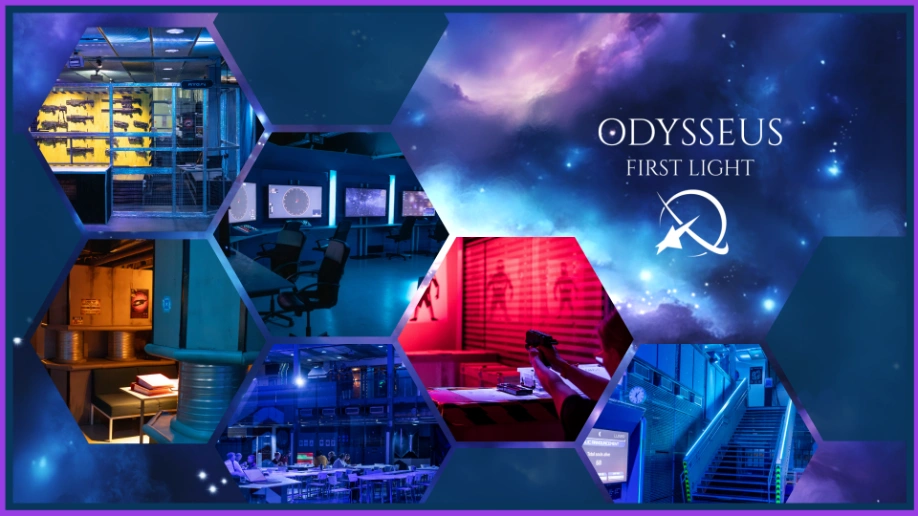
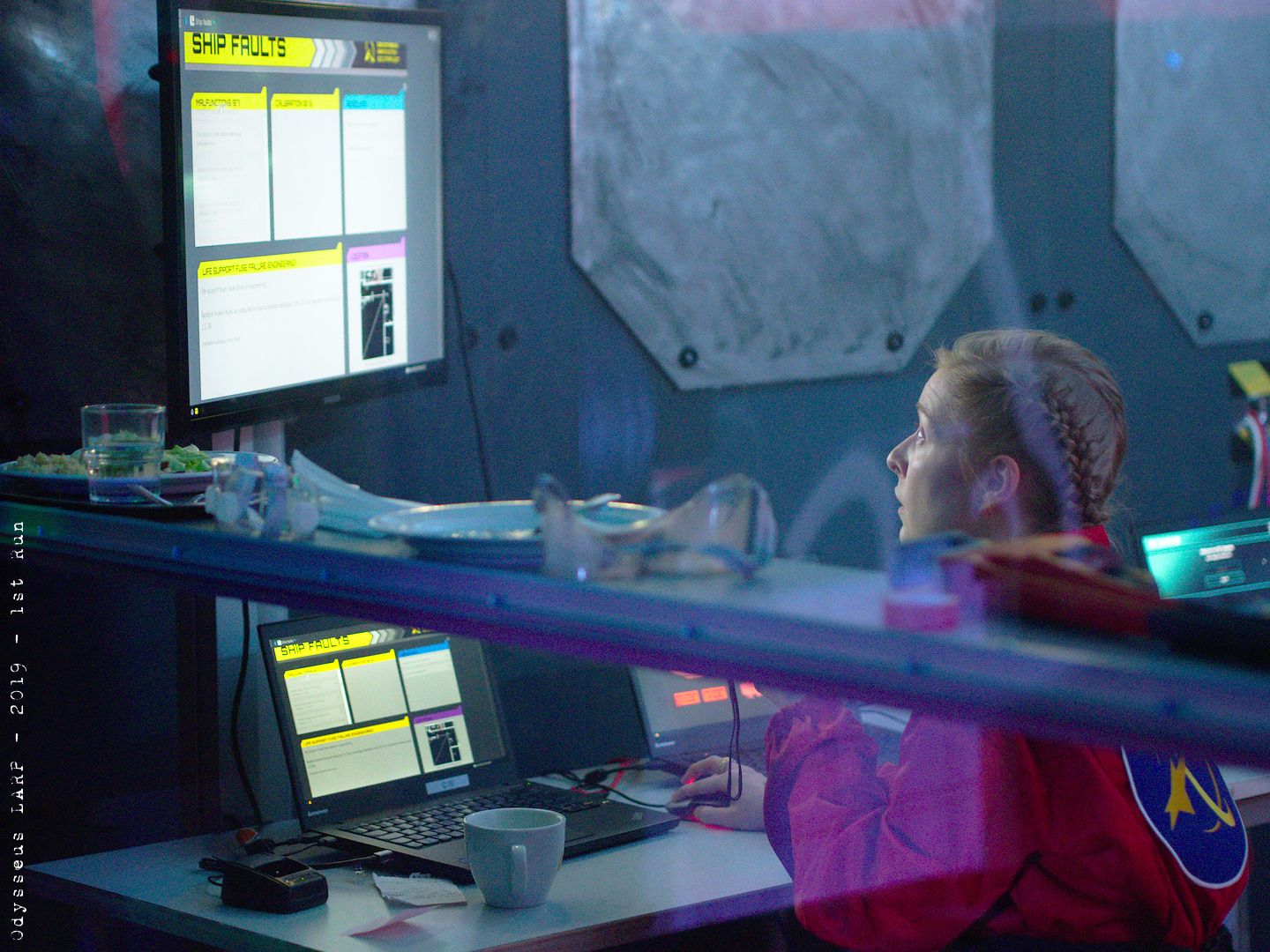
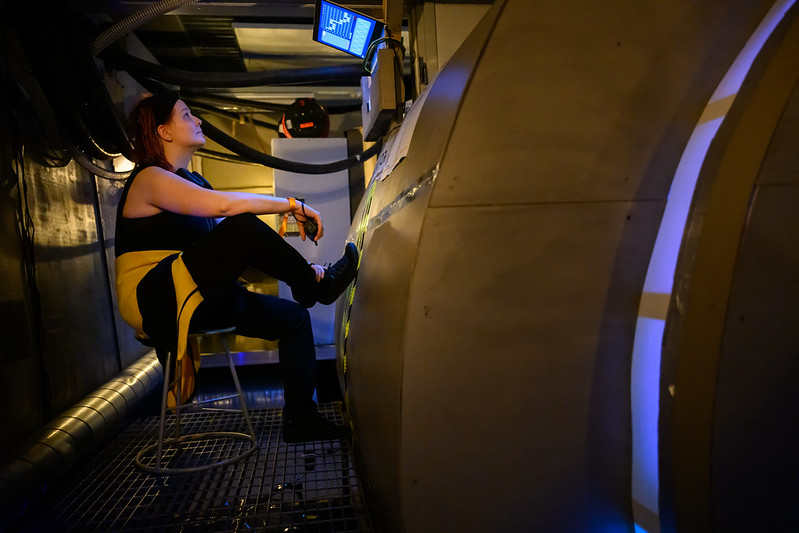
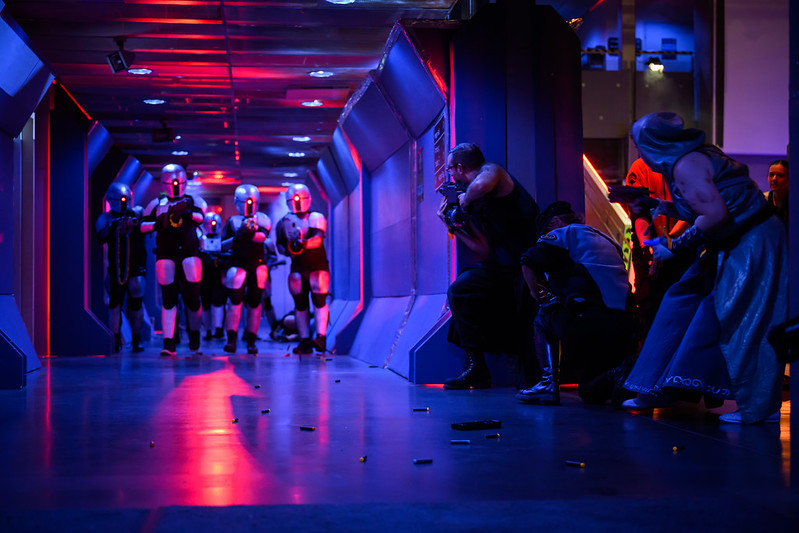
Odysseus was a well-received Finnish-style larp (or live-action role-playing game) for 104 players organized first in 2019 and again in 2024 by Illusia ry and a team of dozens of volunteers. It was set in an original world drawing heavily from Battlestar Galactica, but also inspired by Star Trek and The Expanse.
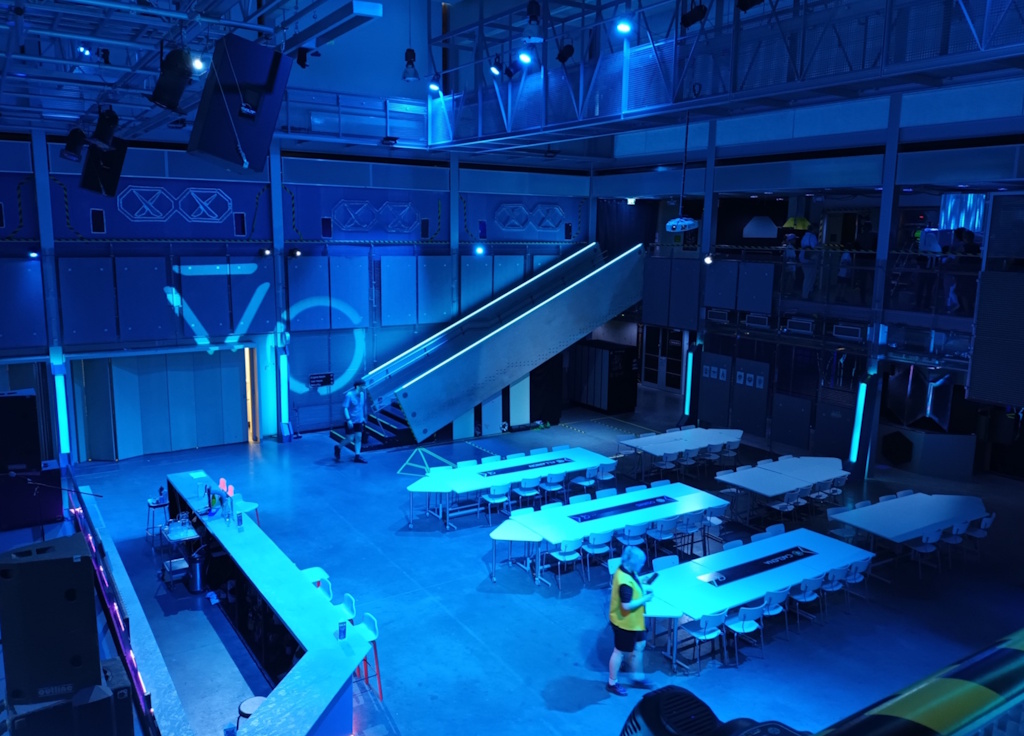
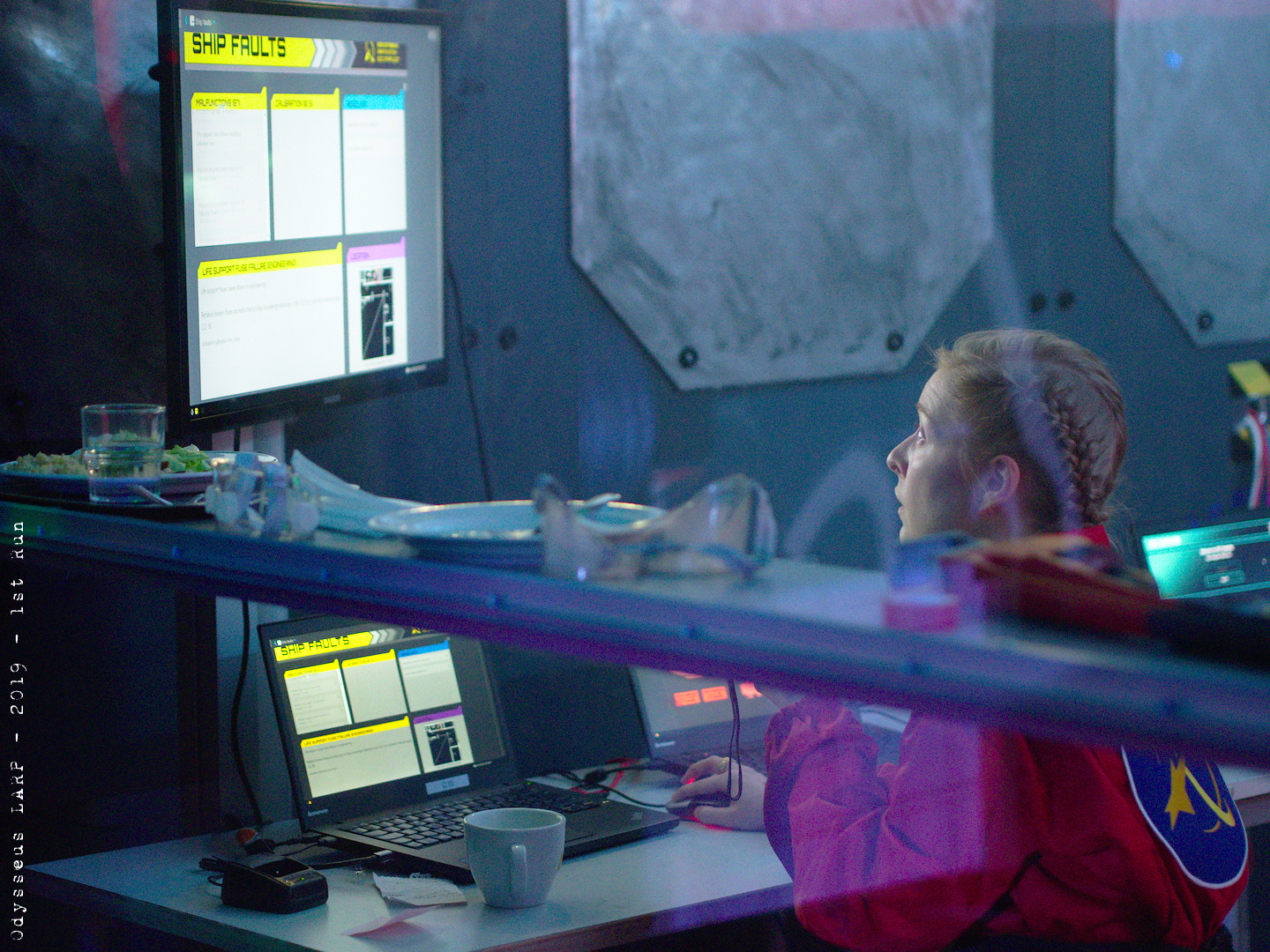
Three runs of the game were held each year, and large space ship sets were built in a rented school building, where the game area provided a 24/7 immersive experience for the players over 48 hours, followed by a debrief / end party.
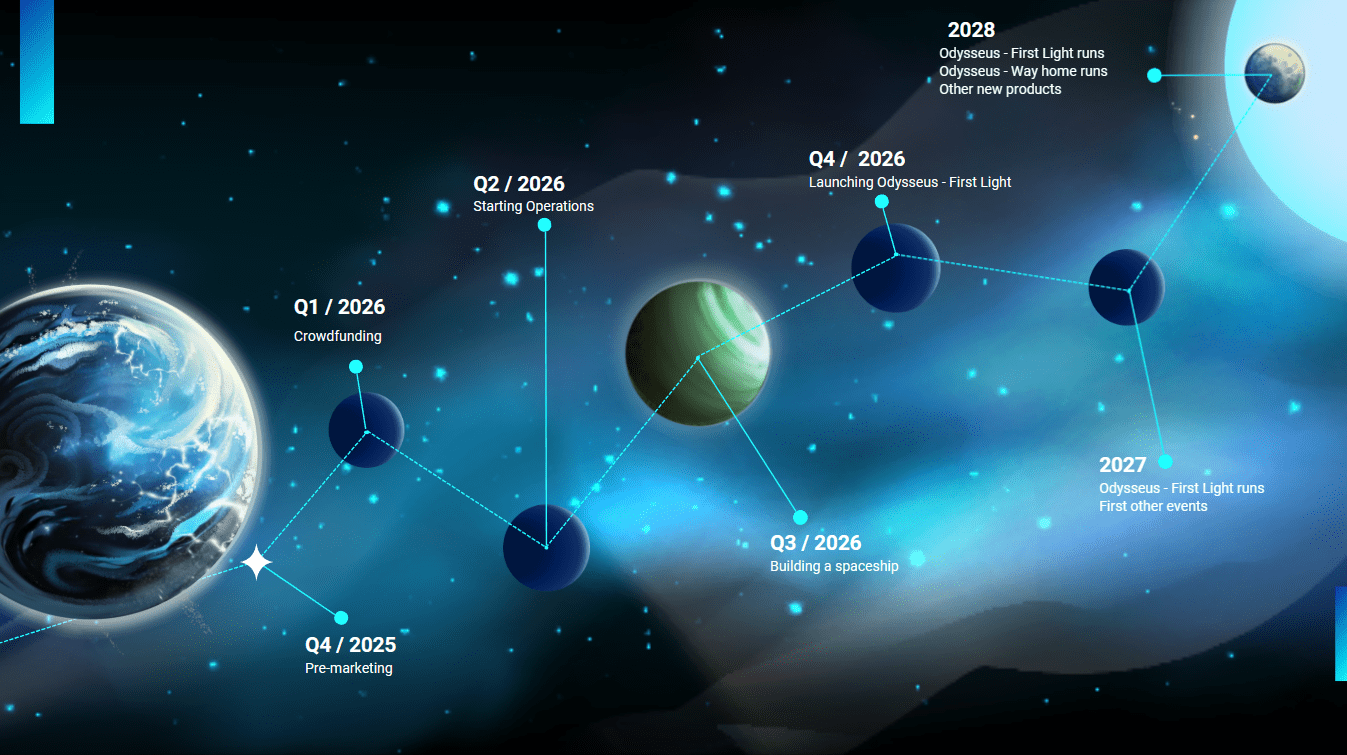
Now a number of the crew are attempting to create a commercially viable version of the game. They’re setting up a business entity, Ellarion Tales, and are prepping an improved version to be known as Odysseus – First Light.
To provide a background to the project, Laura Kröger, the lead producer and narrative designer, talks with Adrian Hon at MSSV about the thought process and challenges, including what commercial game running in Finland requires.
At this writing, their goal is 10 runs, starting from October 2026 and continuing until summer 2027, with the possibility of more if stretch goals for the crowdfunding are reached. Two of these 10 initial runs will be so-called local runs (materials will still be in English but the spoken language will be either Finnish or Swedish).
The Odysseus – First Light Indiegogo page prelaunched in late January. (Meaning, you can read about the project but cannot back it yet.) The campaign proper will start on March 6 and end on April 12th, 2026.
(Note that they are still finalizing the project; details might change before the campaign actually launches.)
I haven’t played in Odysseus myself, but I know several people who have—some more than once, in fact—and everyone has been bursting with praise. (And some thought-out criticism as well, sure, but overwhelmingly the comments have been good things.) In addition, Erik and I were able to tour the set during their July 2024 visiting hours, and can testify first hand to the quality of the propping and environments, including soundscapes. It was truly extraordinary! If the folks at Ellarion Tales are indeed able to improve on Odysseus, their larp(s) should continue to provide legitimately memorable gaming experiences.