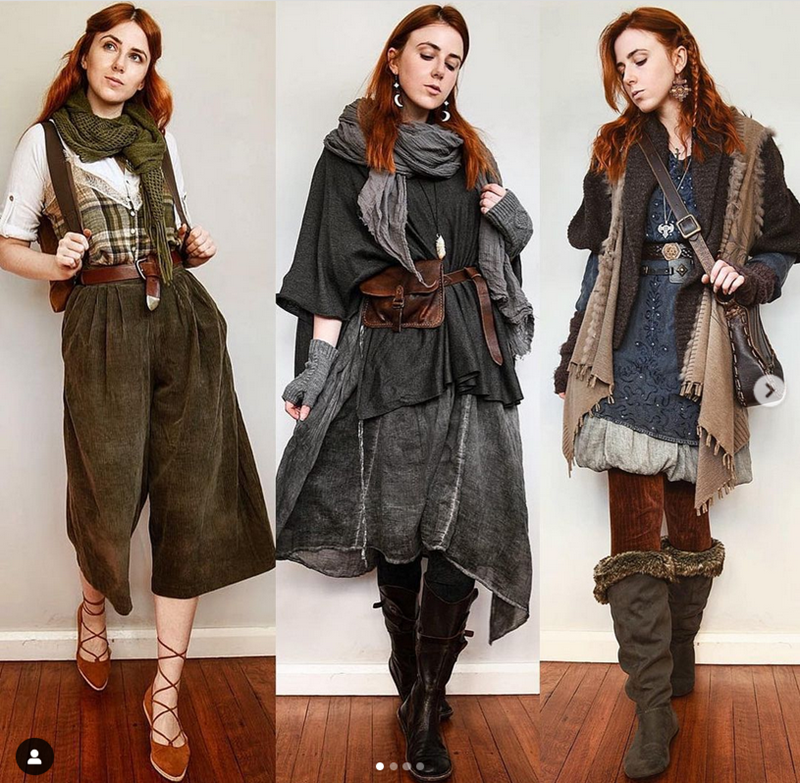
My Gnomecore Moodboards

I was checking something about the cozy fantasy genre the other day when I suddenly fell into a deeeep rabbit hole.

(And, by the way, long post warning. This post is not far from the dreaded “Let me tell you about my character” trope, so read or skip accordingly… TL;DR: Playing around with cozy gnomecore-themed photographs to make moodboards for my latest D&D character.)

Continue reading

The Fascinating Art of Fridgescaping

Have you heard of fridgescaping? The phenomenon apparently started on TikTok, and in a nutshell comes from “landscaping” your fridge.

Sounds like some people got into it during the covid lockdowns. There are various approaches to decorating the inside of your refrigerator, and ways to organize are, of course, as varied as the creators.

Some are more pragmatic, others kinda outlandish. There is practical with pastels, like Samantha Klein (samswhurld) prefers

Instagram Samantha Klein Freshly Cleaned

…or rustic and earthy, as for instance the styling by Amira Youssef (dusk2illdawn):

Instagram Amira Youssef Fridge Organization

Others favor bright and colorful arrangements, like Tânia Lourenço (homganize):

Instagram Tania Lourenco Greens Yellows

All of the above are still mainstream. Lynzi Judish (lynziliving) takes fridgescaping to another level. Hers designs are very pretty, lushly styled, and themed. There is, for instance, a Beetlejuice

Instagram Lynzi Judish Beetlejuice

…and a Hobbit project:

Instagram Lynzi Judish Hobbit

If you prefer, you can see Judish’s Hobbit fridgescape as a video. She’s also posted photos of a fall-themed project (with a cute squirrel mug) and a Bridgerton fridgescape. (Ha! There’s a hastag #fridgerton! 😀 )

The themed fridges are, I admit, kinda fun.

However: I have A LOT of questions! I’m not on Instagram or TikTok, and plan not to begin just to do a bit of research. But, like—

  • I see a lot of snack-type produce. Where do the fridgescapers store their actual food? Food food, the cooked food? (Surely they do cook warm meals…?) Or leftovers?
  • Are the containers food safe? Please tell me they all are!
  • Are they ruining the books or photos or decorative boxes placed in the fridge?
  • Why does everything need to be decanted? (Yes, I know why—it’s the look. However, all those themed empty containers are just more clutter to store elsewhere and more $$$ down the drain.)
  • How do they keep re-arranging their fridges without wasting an inordinate amount of energy?

Also: While I do enjoy a (thoughtfully) decorated space, for me, function has to come first. It absolutely must; I cannot live otherwise. I have to have a home that works; if it looks good, too, that’s great! But I must be able to use things I need when I need them, not after five minutes of digging or setup. (Which is also why I must have a dedicated sewing room with the machine on a table, ready to go at a moment’s notice.) If a space or area isn’t useable, it’s a source of frustration for me, which isn’t worth it, especially not for everyday functions like the fridge.

(Apparently, the scaping fad is spreading: there is now also talk about pantryscaping, deskscaping, and doorscaping. Good grief—it feels almost like another (insert-your-term-here)core is on the loose!)

Verdict: there’s something appealing in the idea, but ultimately it’s not for me. You should do you, though. 🙂

Images: Freshly cleaned & stocked by Samantha Klein on Instagram. Fridge organization by Amira Youssef on Instagram. Greens and yellows by Tânia Lourenço on Instagram. Beetlejuice and Hobbit by Lynzi Judish on Instagram.

Everyday Outfits Inspired by Middle Earth

On Instagram, Alice as catinawitchhat styled a series of everyday outfits inspired by Middle-Earth. (She also pulled all the outfits together for a slideshow for those who prefer moving image.)

My favorite of Alice’s four collages is the first. It shows her versions of the Shire, Gandalf, and Erebor:

Instagram catinawitchhat Tolkien-Inspired1

The Lonely Mountain Dwarf ensemble is fantastic: the little touches of fur in her boots and the edges of the vest, the embroidery on the tunic, the warm-looking leggings, the knit armwarmers and chunky cardigan, they all contribute. Add to those the puffy shorts (or skirt?) plus the fairly simple leather accessories with brass-colored metal accents and visible, chunky topstitching. Very nice!

The third mashup is also very neat, with the three principal human cultures of the Lord of the Rings—the rangers, Rohan, and Gondor:

Instagram catinawitchhat Tolkien-Inspired3

Gondor is perfect, so austere and bleak. Her version of the rangers I find too dark for my liking—not a fan of black, even if it has its uses—but the profile I agree with.

Alice reminds the readers that her outfits aren’t cosplays, but her styling the contents of her wardrobe. And why not, if you can do it this well! While at times I don’t have exactly the same readings of the various Middle Earth cultures as she does, I do appreciate the combinations of elements from our mundane world and the suggestions she’s able to create through the careful selection of details. Makes me want to look at my closet with a new eye. 🙂

For more detail, visit the individual outfits in their own posts: The Shire. Gandalf. Erebor. Rivendell. Mirkwood. Lothlorien. The Dúnedain. Rohan. Gondor. Rhûn (Easterlings). Harad (Southrons). Mordor.

Images by Alice on Instagram

Atypical Illustrations of Elves

We’ve probably all seen endless examples of stereotypical fantasy Elves: those slim, tall, tranquil, ethereal, Art Nouveau-esque figures that glide effortlessly through a major convocation or battle field carnage alike. The type that for example various Weta artists immortalized for Peter Jackson’s Lord of the Rings and Hobbit trilogies.

I’ve been hankering for something slightly different for a while. (At least in depictions of taller Elves; ElfQuest Elves and other Elves smaller in stature already start with some variety.) Here’s what I’ve come across.

Some illustrators make their Elves with non-stereotypical weaponry or gear. Pavel Hristov’s Steppe Elf carries a whopper of an axe and chews on a stalk of grain. There are also tassels hanging from the piece of cloth on his waist; those don’t seem to go with the Elf stereotype.

ArtStation Pavel Hristov Steppe Elf
Steppe Elf by Pavel Hristov

What neat details!

This Elven marksman explorer by L3monJuic3 has more typical weaponry—bow and arrow—but unlike her, stereotypical Elves are rarely seen carrying backpacks loaded with mundane items like shovels and cauldrons. Elves do typically eat and presumably have other bodily needs, right, even in the more highfalutin high fantasy worlds?

DeviantArt L3monJuic3 Elven Marksman Explorer
Elven Marksman Explorer by L3monJuic3

The Elf war captain Kürbu by Dauntless1942 not only has an atypical name but also atypical armor and polearm:

Reddit Dauntless1942 Elf War Captain
Elf War Captain by Dauntless1942

The helmet somewhat reminds me of Bronze Age Celtic work, but could also nod towards ancient Eurasian steppe cultures.

Other illustrators have tweaked the professions their Elves take up. BootstheBishop drew an artificer—who’s a Sea Elf

Reddit BootstheBishop Sea Elf Artificer
Sea Elf Artificer by BootstheBishop

…and Rina Smorodina created a wandering Elf mage with an owl familiar:

ArtStation Rina Smorodina Wandering Elf Mage
Wandering Elf Mage by Rina Smorodina

I cannot think off the top of my head any tinkerer nor wanderer type Elves (except for Drizzt Do’Urden in Forgotten Realms), but I don’t consider myself terribly well-read as far as fantasy goes. Anyway, for me these alternative takes were delightful.

Closest to my heart, however, are illustrations of Elves in non-stereotypical environments, especially among birches, in addition to ones showing different body shapes and happy demeanors.

I love all kinds of birches, but they don’t tend to feature in art much, never mind in SFFnal art. I know of two exceptions of the latter: a trailer for season 1 of Andor and a since-scrapped computer game in development. Now I have two to add.

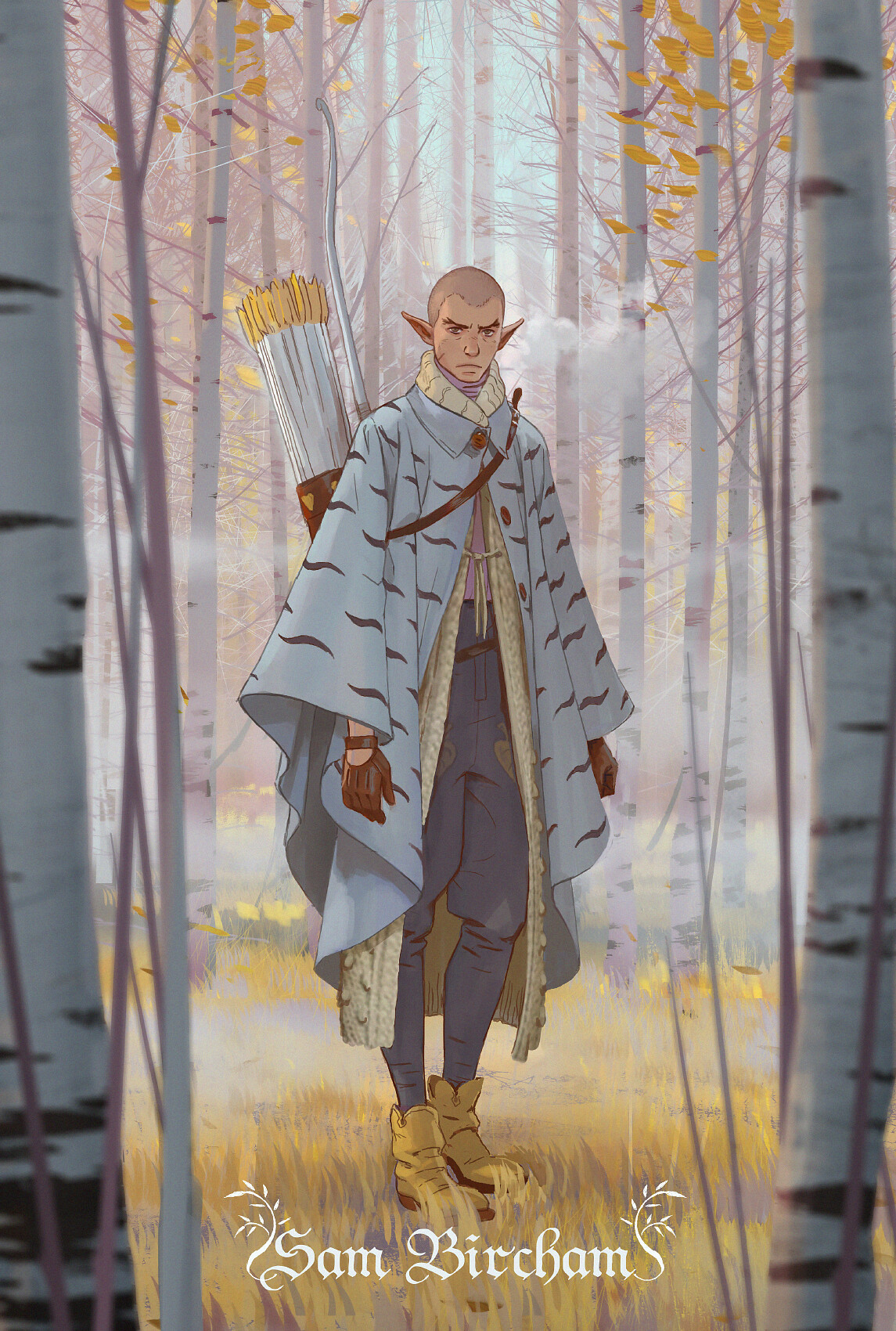
This birchwood Elf by Andrius Matijosius may be a little scruffy-looking, but I love how his cape mimicks birch bark and arrows resemble leaf-topped trunks.

ArtStation Birchwood Elf
Birchwood Elf by Andrius Matijosius

He seems also to be wearing some kind of long knitted robe underneath the cape, which strikes me as sensible in cool fall weather.

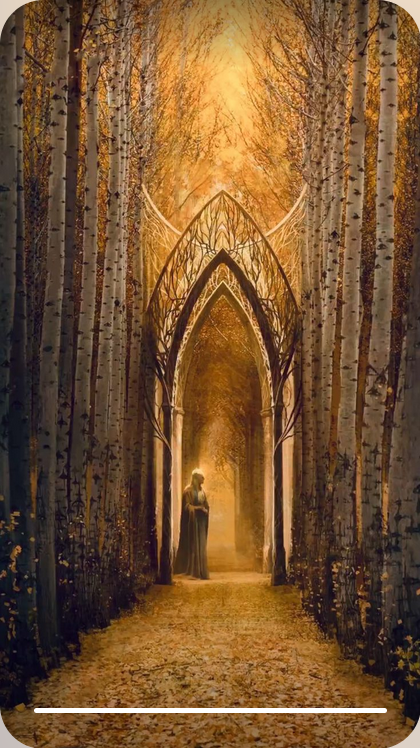
Pinterest The Gate of Forest Elf Castle
The Gate of Forest Elf Castle by ZAHD&ART

The Gate of Forest Elf Castle by ZAHD&ART also features fall colors. I love this birch-lined alley. A forest of birches with their white trunks lined up always looks so striking.

(Next, though, artists, how about depicting birch woods in the summer? Please and thank you!)

Moving to physical characteristics. Un Lee’s illustration of an Elf company is marvellous! Lee wanted to create a varied group much like the Dwarves in the Hobbit but with Elves instead.

ArtStation Un Lee Elf Company
Elf Company by Un Lee

They are absolutely fantastic! No unrealistic and boring copy-paste Elves here; each individual is exactly that, an individual.

Reddit eccentric_bee Ancient Elf
Ancient Elf by eccentric_bee

Besides uniform body shapes, stereotypical Elves come in a fairly narrow range of moods. This portrait of an ancient Elf by eccentric_bee is serene on the surface, yes, but it looks to me that there’s joy underneath that’s often missing in depictions of Elves. Love it!

Light Academia: Love of Optimism, Joy, and Happy Endings

I posted about dark academia about a year ago when I learned of the phenomenon. Time for a sibling post of sorts: since then, I’ve discovered the style light academia.

According to Aesthetics Wiki, light academia favors positive themes in general, “focusing on optimism, sensitivity, joy, gratitude, friendship, motivation, and happy endings.” (Naturally still associated with the love of learning.)

Etsy HeatDigitalClub Watercolor Light Academia Clipart Bundle Sm

Apparently, the term was coined on Tumblr already in 2019. (Man, I must’ve been hanging around the wrong side of Tumblr not to have heard about it then!) Also, apparently cottagecore can overlap with light academia, as can a romanticized view of coffee shops as places for people-watching and studying.

Sounds like neutrals, earthy colors, white, gold, and pastels are especially favored. One article lists movies and shows with light academia aesthetics, including classics like Little Women, but also newer productions like Bridgerton, the 2005 version of Pride & Prejudice or the 2022 Netflix adaptation of Persuasion. There are, of course, playlists and recommended activities or crafts. Some people even sell light academia mystery boxes on online platforms! I’ve found out that there are also other, established flavors I hadn’t heard of before: green academia and chaotic academia.

(Good grief, I feel officially old! At least there doesn’t seem to be any academia cores.)

While I love reading, knowledge, and learning, I confess I’m a little perplexed by this dissecting of various aspects of campus / university life into separate aesthetics. (Not to even mention the fact that Finnish universities by and large look quite different from these Anglo-American-style ones.) But I guess that’s what we humans do—we create endless groupings out of the same elements.

Image: light academia watercolor clipart by Anna Zhar at HeatDigitalClub on Etsy

Living Vicariously Through Social Media: Flowering Cacti

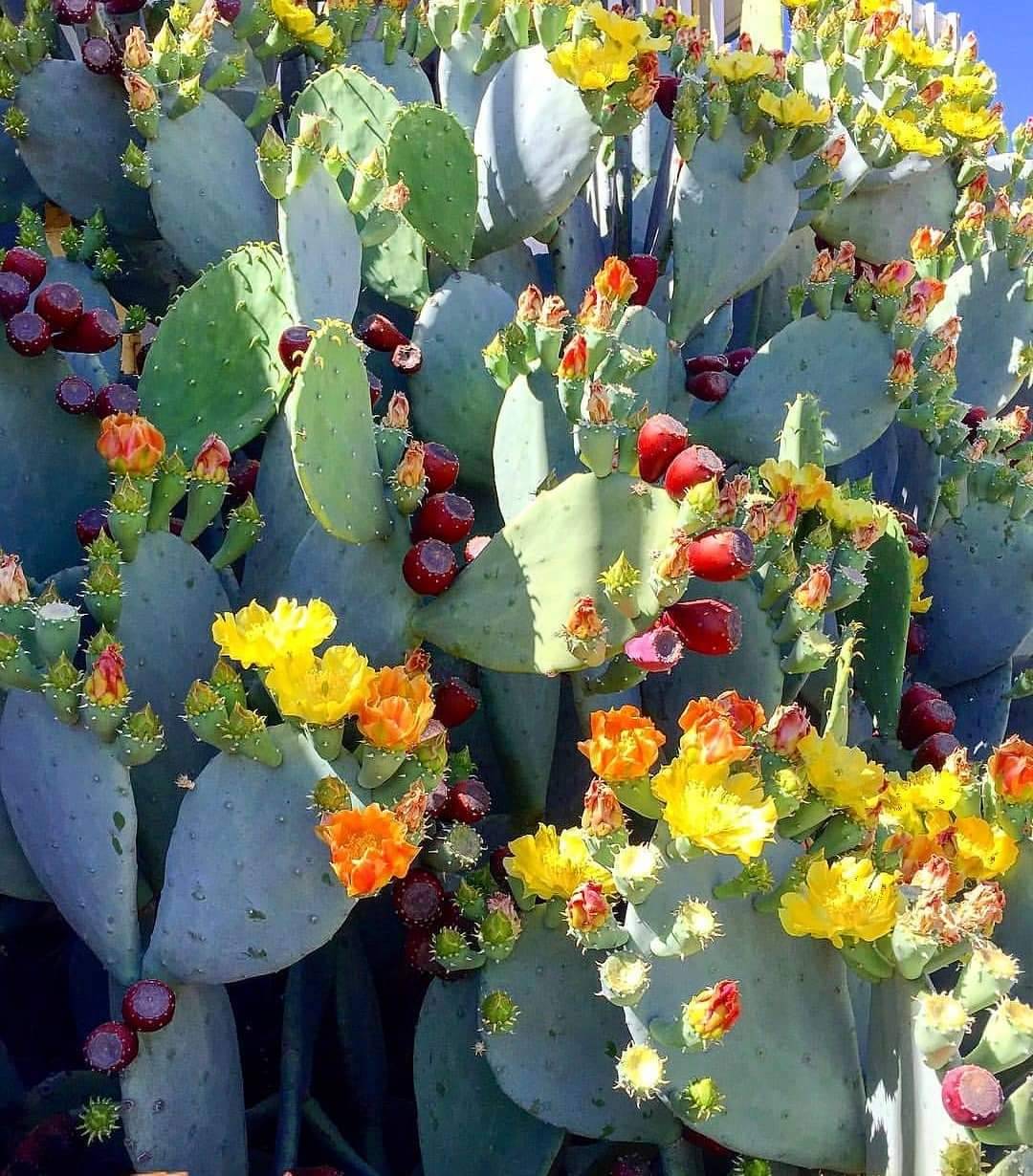
Just look at the mass of flowers on these cacti:

Tumblr mutant-distraction Flowering Cacti

I grew up essentially on a flood plain. While I have visited a few, and know that a lot of deserts are not mostly smooth sand dunes like the Tatooine and Dune stereotype would have us believe, I’ve never actually experienced deserts as a living environment. This is a fabulous glimpse—especially after the long and cold winter Finland had this year.

Image via mutant-distraction on Tumblr

Living Vicariously Through Social Media: Streetpatching with Mosaics

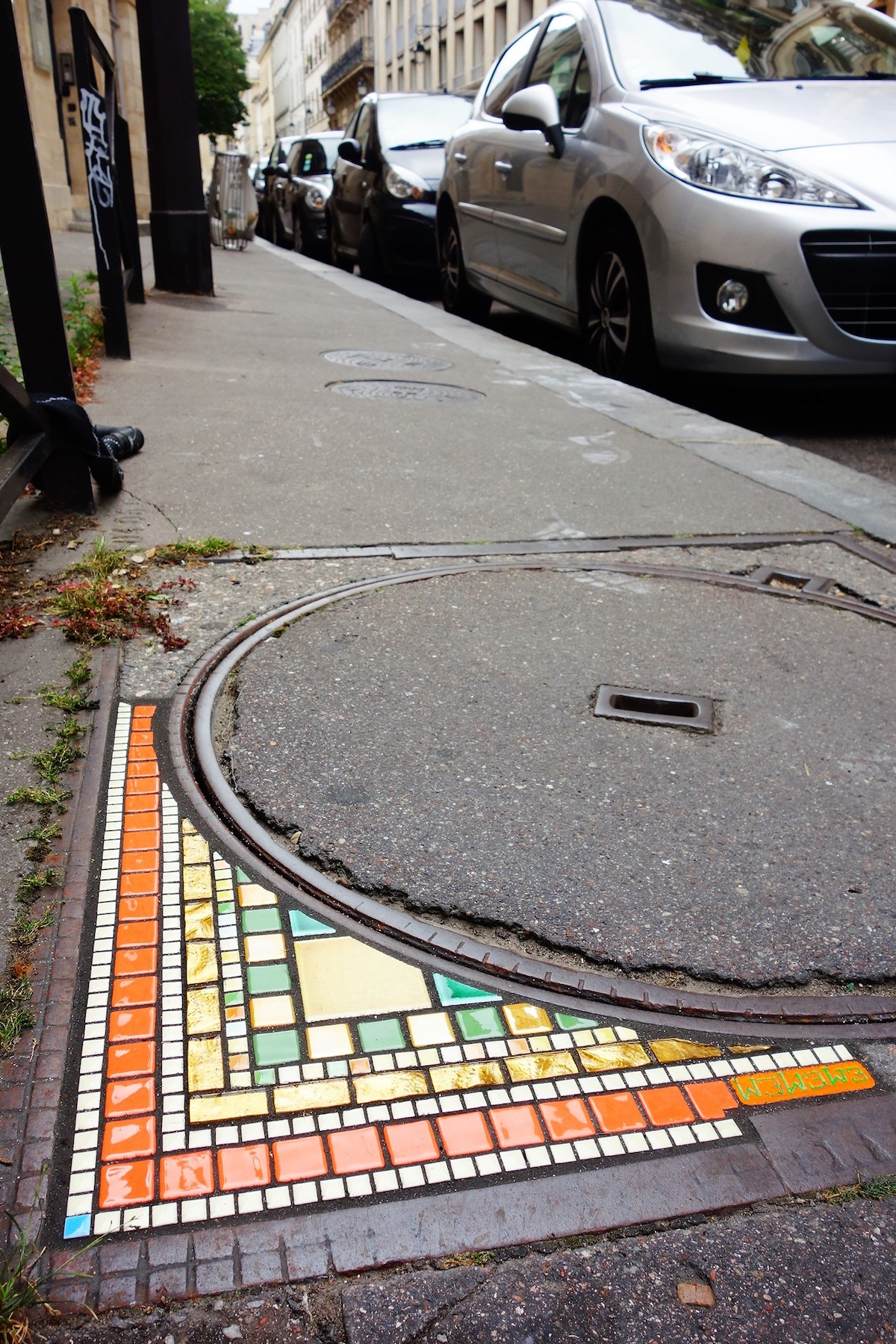
Ememem is a France-based visual artist known for repairing small areas in urban environments with colorful mosaics. He calls his technique flacking.

Wikimedia Edwige redige Flacking in Lyon

Since 2016 he’s been anonymously patching cracks in Lyon and Paris, and other European cities for instance in Norway, Scotland, Germany, Italy, and Spain.

My Modern Met ememem-street-mosaic-art-4

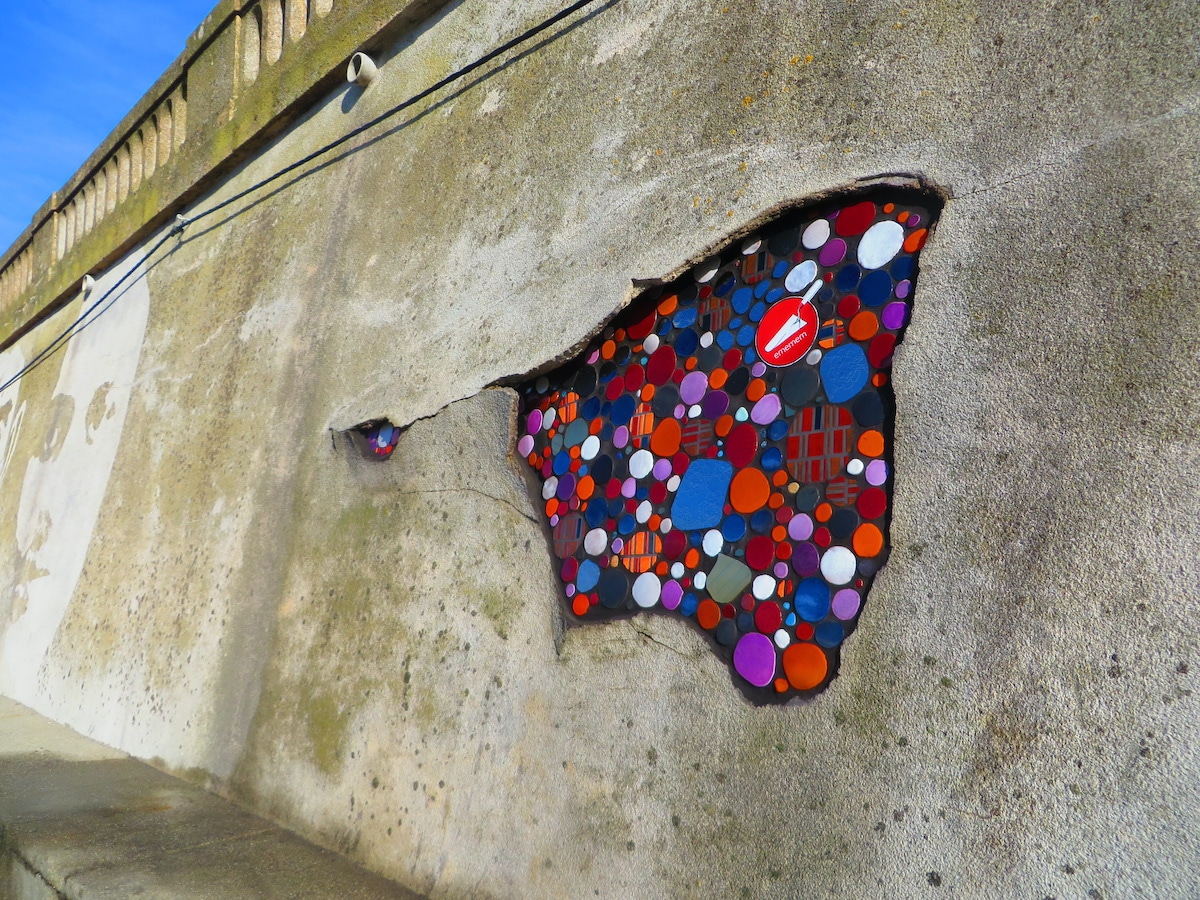
He typically works at night. His efforts are usually discovered in the morning as people start their day. Most of his efforts seem to focus on street surfaces, but some retaining walls or building walls also get some Ememem love.

My Modern Met ememem-street-mosaic-art-2

Ememem’s repairs are absolutely delightful! They remind me a lot of visible mending or quilting. I wish this type of repair were more common, but I understand the financial realities of why not.

Note: According to Wikipedia, Ememem has refused to confirm his age and gender. However, on his own site, the Ememem English-language press kit consistently uses the pronoun he, so I have therefore adopted that usage.

Images: Mosaic in blues by Edwige rédige via Wikimedia (CC BY-SA 4.0). Orange-green mosaic and wall repair both via My Modern Met.

Living Vicariously Through Social Media: Ringneck Snakes

I’m not a great friend of cold-blooded critters in general. The ringneck snake (Diadophis punctatus), however, does fall close enough to my sense of cute to bring up. Especially the juveniles—soooo small!

Flickr Tony Iwane Pacific Ringneck Snake

Even the adult ringnecks are quite small and slender, about 21-36 cm (8″-14″) long. The belly and underside are bright yellow, orange, or red, and there often is a ring of the same color around the neck. The 14 non-poisonous subspecies are found in much of the United States, central Mexico, and south-eastern Canada in a wide variety of habitats.

Apparently, the coloring can also shift along the length of the body, like on the prairie ringneck snake in the photo below.

Flickr Peter Paplanus Prairie Ringneck Snake

This type would be especially handsome as a ginormous fantasy version, perhaps even as a rideable creature, a little like the sandworms on Dune or oliphaunts in The Lord of the Rings with war-towers on their backs.

Images: Pacific ringneck snake by Tony Iwane on Flickr (CC BY-NC 2.0). Prairie ringneck snake by Peter Paplanus on Flickr (CC BY 2.0).

When a Meme Propels You to Dig Deeper, Or: The Case of Green Balls

The other day on Tumblr I ran into a Legolas meme that involved a candy I grew up with:

Tumblr homunculus-argument Legolas w Green Ball

“One small bite is enough to fill the stomach of a grown man.”

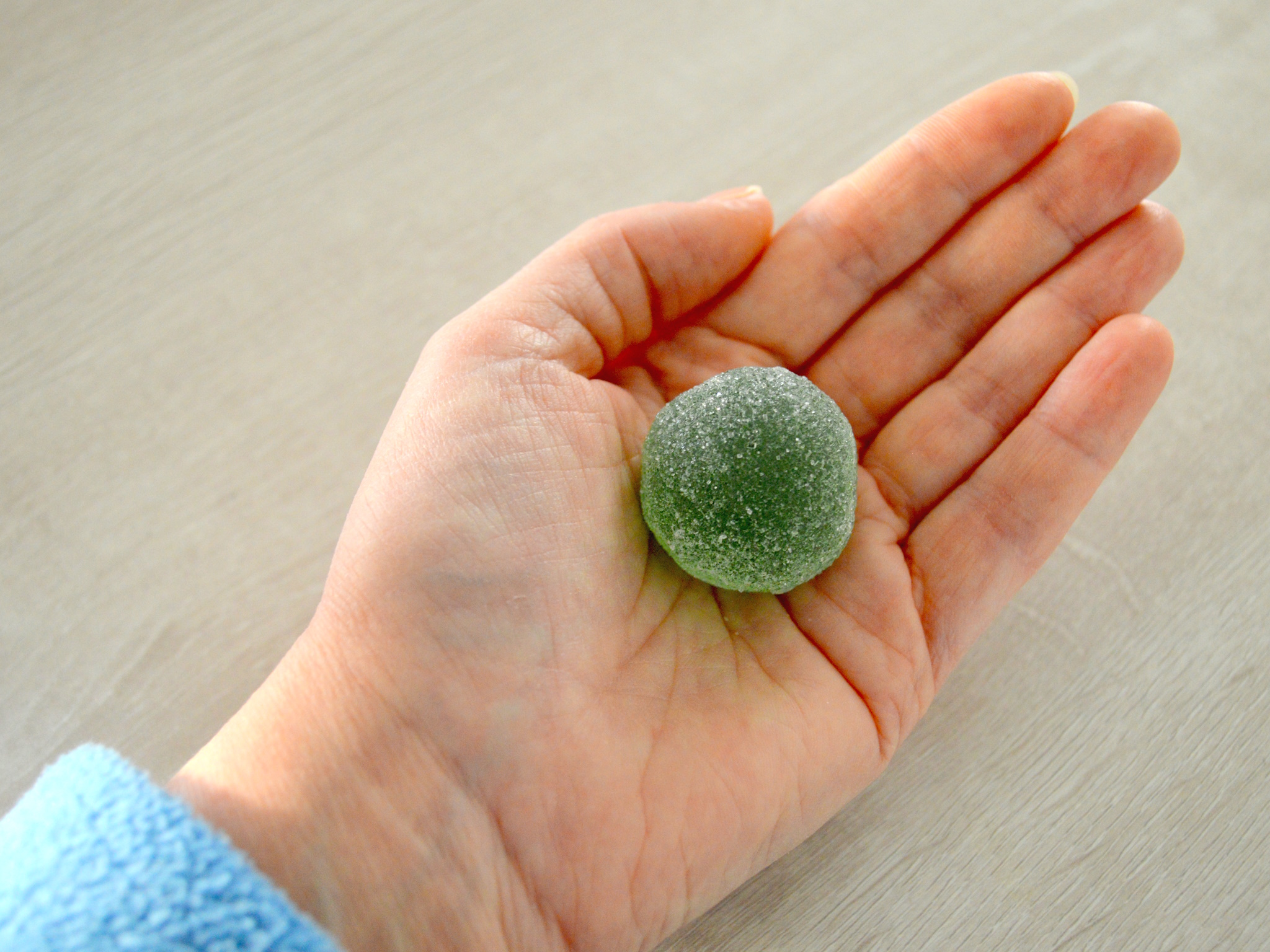
That’s actually not too terribly far from the truth. 😀 It’s quite possible to inadvertently overdose yourself on them—these suckers are surprisingly large. See for yourself:

Green Ball jelly candy in Hand

Since I’m a nerd who never wondered about this candy before, I had to read a bit more. 🙂

Fazer is an old Finnish company that makes biscuit and grain products, confectionery, and other candy. In addition, they run a chain of popular cafes. One of their seasonal products is pear-flavored marmalades or jelly candy called vihreät kuulat (green balls).

(Marmalades are not one of Fazer’s international brands, which was tough for me when we were still living in the U.S.—I could only get my green ball fix when visiting Finland at the right time of the year, or if someone sent or brought them as a gift.)

Apparently Fazer has been making jelly candies for Christmas since the end of 1800s, when the founder Karl Fazer brought a recipe home from St. Petersburg, where he had been studying. The green ball format and flavor has been for sale since 1929.

Besides Christmas, the second big season for green balls is Easter (although I have to admit that’s escaped my notice thus far). Altogether Finns eat some 25 million green balls a year. These days there are also green ball flavored chocolate and cookies, and I’ve even seen spreadable jelly.

Woo, only 6 years to their centennial! I hope they’ll make something special. 🙂

Images: Legolas meme via homunculus argument on Tumblr. Green ball by Eppu Jensen.

Living Vicariously Through Social Media: Rainbow Eucalyptus Trees

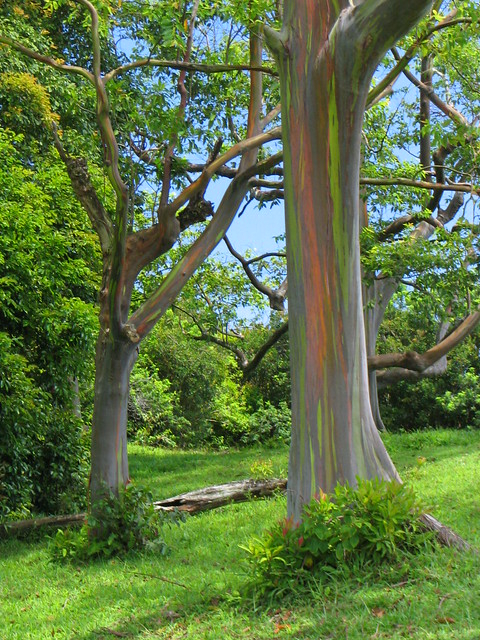
Rainbow eucalyptus trees (Eucalyptus deglupta) shed their bark at a strip at a time, and the tree trunks look stripy as a result. That’s not all, however—the stripe colors can vary surprisingly much. A freshly revealed area will look bright pale green, which then darkens and changes to orange, red, brown, and grey or blue.

Flickr spencer9 Rainbow Eucalyptus
Flickr Jean-Francois Schmitz Rainbow Eucalyptus

Rainbow eucalyptuses are native to the Philippines, Indonesia, and Papua New Guinea, but have been planted elsewhere in suitable climates.

Amazing, aren’t they? I wonder whether the Weta artists looked at rainbow eucalyptus trees as an inspiration for their saturated, weird Mirkwood trees for the Hobbit movies. (They talked about the design in the behind-the-scenes documentaries; the movies as released are too dark to see the colors properly, if memory serves.)

Images: Two eucalyptuses by spencer9 via Flickr (CC BY-NC 2.0). Closeup by Jean-François Schmitz via Flickr (CC BY-NC-ND 2.0).

Out There is an occasional feature highlighting intriguing art, spaces, places, phenomena, flora, and fauna.