The newest expansion of World of Warcraft, The War Within, has been out for a few months now. Time for a first impressions post.
Eppu
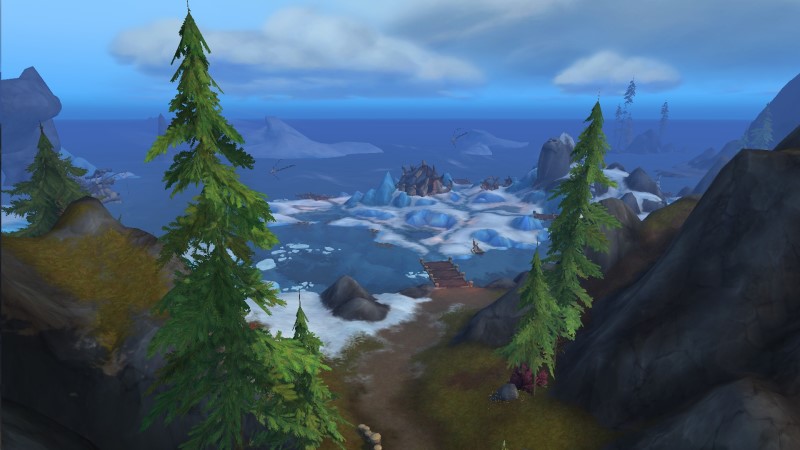
The environments are really impressive, both visually and geographically (for the lack of a better term). The landscapes look more like they could’ve developed according to natural processes. (Check out, for instance, the Ruptured Lake and the descent into Azj-Kahet from Hallowfall!) And into all that, they’ve squeezed an incredible amount of distinctive questing areas, some above or below others or just down a cliff, hidden behind a hump in the hill, or the like. The flora is imaginative and unusual—we are largely underground, after all.

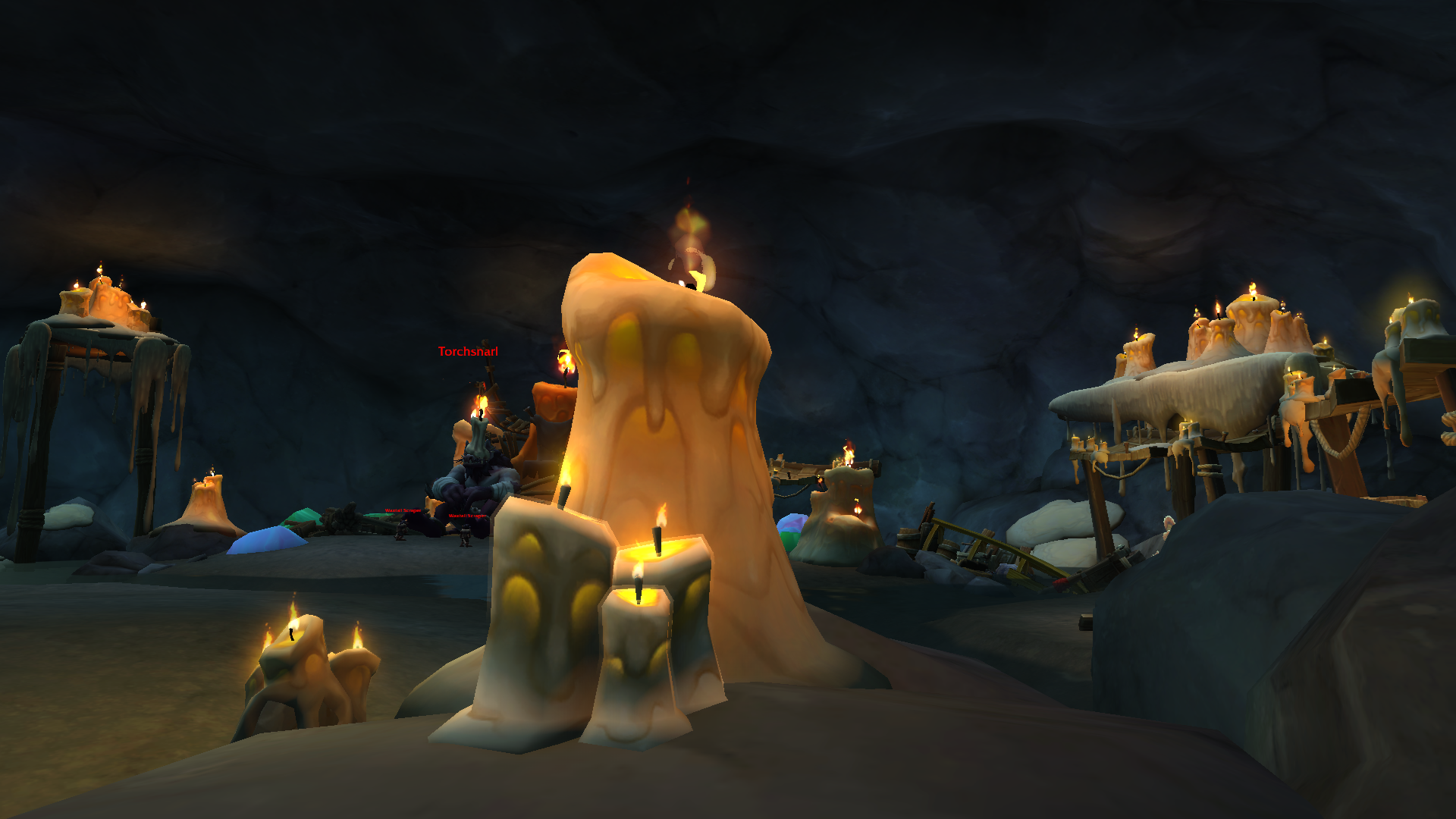
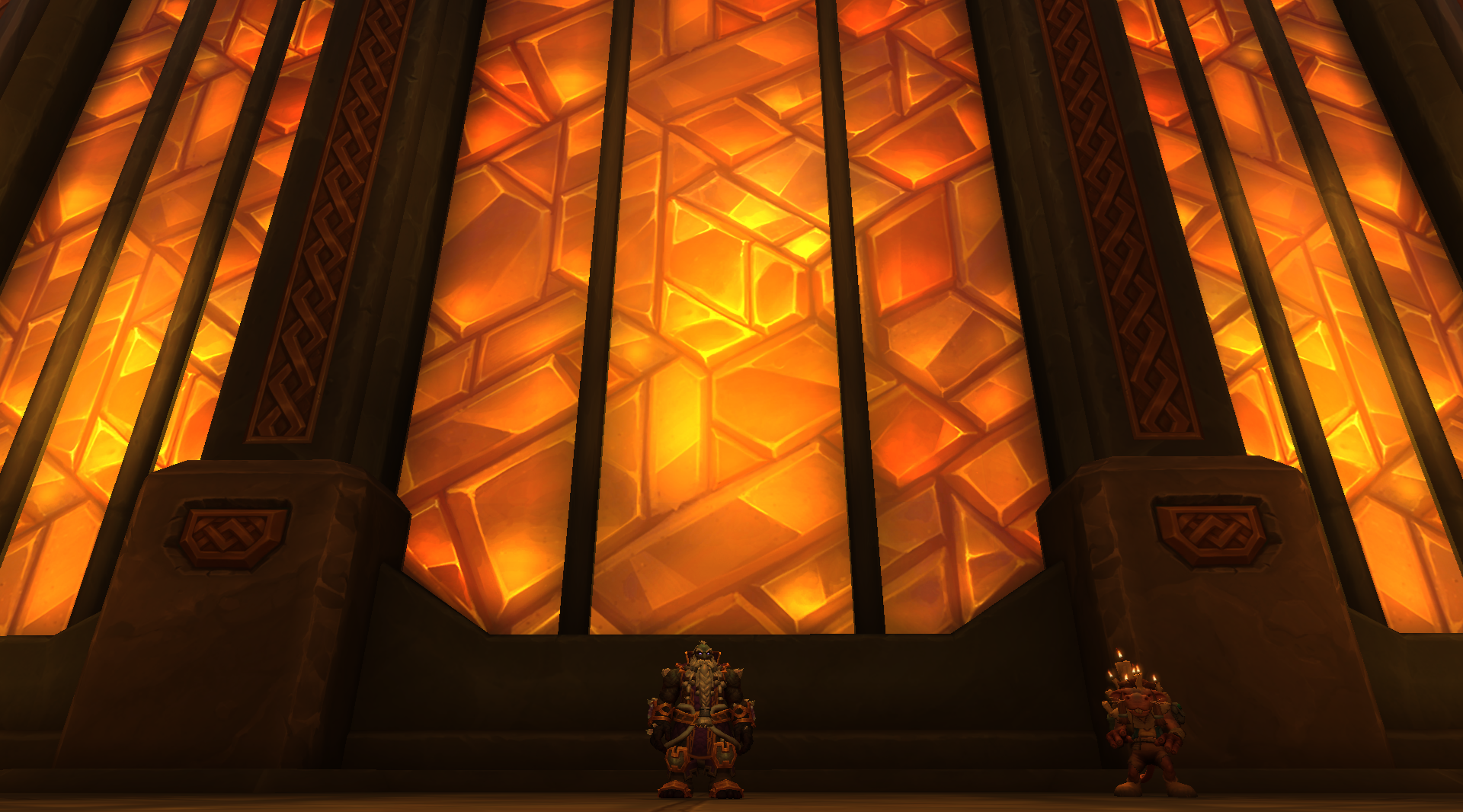
There are also a lot of fun details. To mention only a few: The tents that look like books are neat, and kinda remind me of the upside down ship houses in Boralus. The masses of candles in the Kobold areas look amazing, as does the darkness effect in e.g. Kriegval’s Rest. The Steam Vent in Dornogal has these heated beds for the Earthen to relax on. Looks very cozy!

The only zone I don’t care for is Azj-Kahet; it’s too dark overall, even if some areas have really cool and interesting details. (The exception here is the Wildcamp Or’lay area, where the Beneath the Roots quest ends; I really could’ve gone on adventuring there much longer. Fabulous, I love it!)
Most of the music is lovely, nicely varying, and thought-out. On the other hand, almost all of the nerubian characters have too deep voices; they’re incomprehensible. Bad directing leads to wasted voice acting.
This time, Blizzard opted to hoist hero talents on top of the talents introduced in Dragonflight. (With tweaks to the talents, because you have to tweak talents for a new expansion, otherwise the world would implode, right?) That works really well, I think; no need to re-learn absolutely everything. With professions, it’s possible to craft something useful for your toons from the beginning; that’s really nice.
There are lots of creature comforts I wish Blizzard had included years ago. For example, more options to skip certain story quests on alts, the Warband bank and Deposit All button (even if it deposited also all applicable Dragonflight items, so I had to go prune them out afterwards), the Leave-O-Bot at the end of delves, or quartermasters in cities marked on the map. And speaking of maps, the functionality of clicking anywhere on the map and have that point become a tracking caret on your screen (much like it’s been possible for quests).
Also the fact that flight points are opened to alts once one of your toons has discovered them (and reached 80?) is fantastic. As a visual person, I deeply appreciate the difference in the map boot graphics: yellow boot with wings = a discovered flight point, green boot without wings = an undiscovered one.
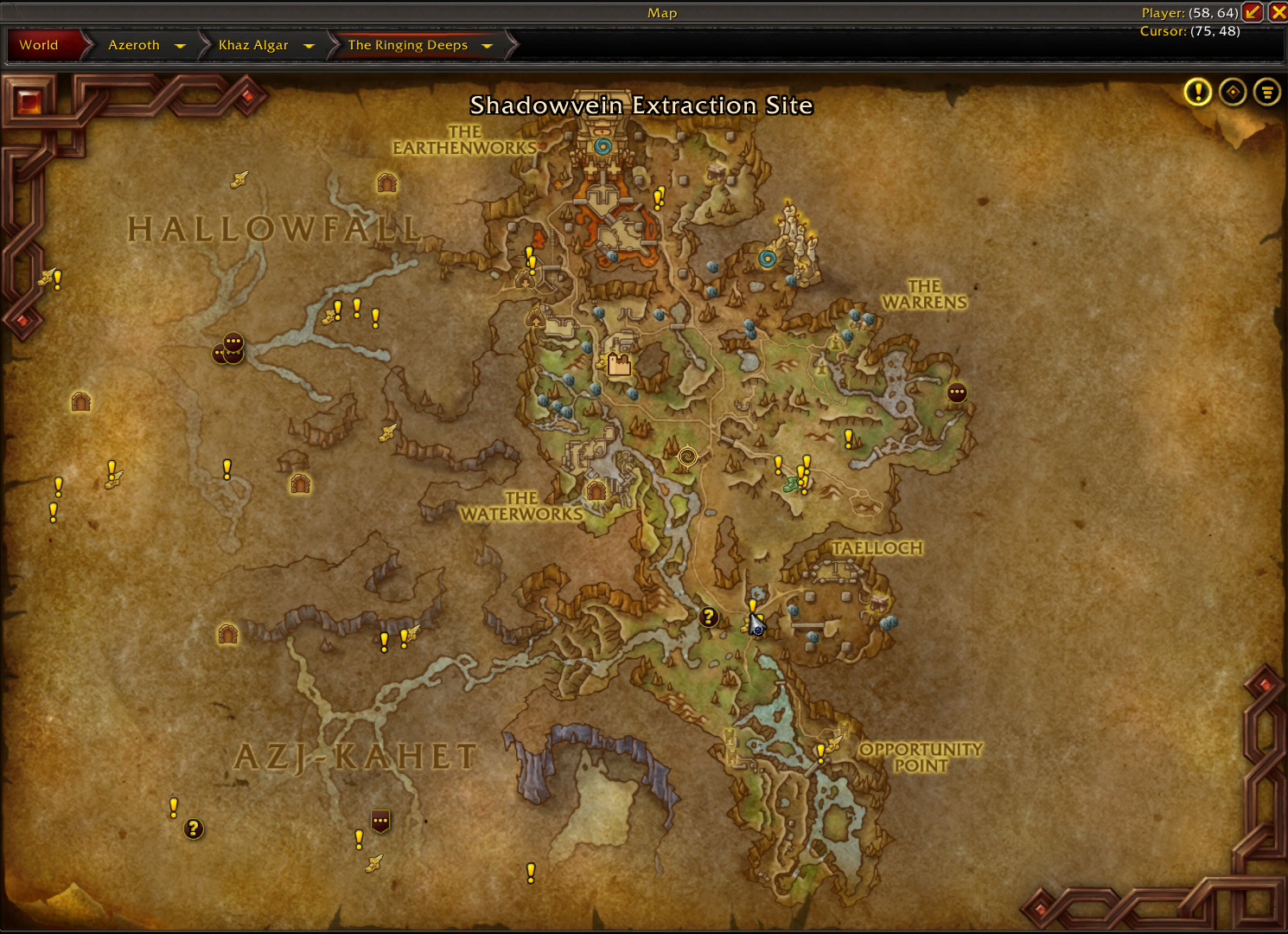
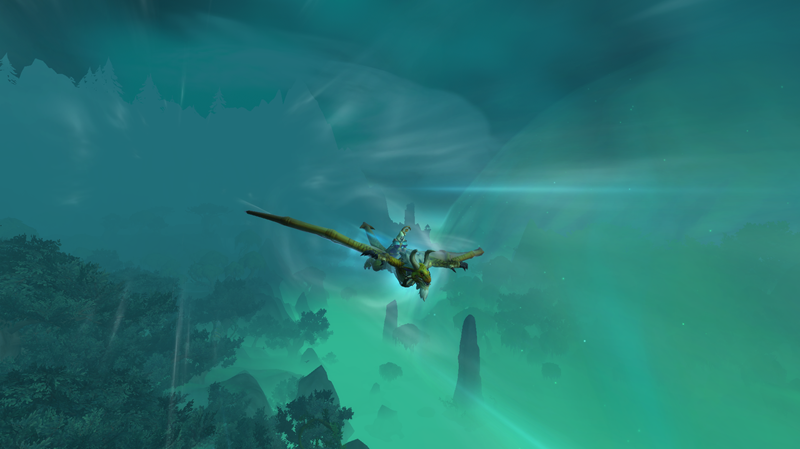
I LOVE that there now are a few dragonriding mounts that can carry a second character! As Erik doesn’t like dragonriding at all and I love it, when playing together we get to take advantage of the higher speed of dragonriding if I steer and Erik travels as a passenger. 🙂
Delves are a lot of fun, but they could also use some improvement. Like Torghast in Shadowlands, I really love the flexibility of delves—except this time, we do get loot at the end! (Something we wished had been a feature of Dragonflight.) On the other hand, we don’t get many interesting game effects like the anima powers in Torghast. Also, delves are set apart from dungeons and raids in that travel to their location is required and simply queueing (like for follower dungeons, which offer a similar type of flexibility) isn’t possible. Love the Leave-O-Bot, though, plus an easy exit at the end of a dungeon. I also like follower dungeons a lot, they make playing dungeon content easier. They could use some fine tuning, but the concept works.
A random observation to end with: Something about how the story in TWW unfolds reminds me a lot of Battle for Azeroth. Perhaps it has to do with the character-focused approach? Just about every plot point refers to its effects on people, and many quests literally focus on the personal, instead of running around fetching bucket handles or grinding through endlessly respawning faceless enemy mooks. Also, children aren’t entirely forgotten.
Erik
Almost everything I have to say about The War Within is good. This expansion delivered a lot for me to enjoy.
When the new expansion was announced as an underground experience, I was nervous. I’ve never much liked WoW‘s underground zones. I found Deepholm dull and Zaralek Cavern claustrophobic. Still, I was willing to wait and see what the design team would do, and I have been pleasantly surprised. The Ringing Deeps and Hallowfall are both beautiful zones that feel very distinct. You know you’re underground, but they don’t feel dull or oppressive. And when you need fresh air and sky above you, you can always go up to the Isle of Dorn. I don’t care for Azj-Kahet, but three out of four zones is more than enough for me to have a fulfilling game experience.
Within those zones, there is lots of attention to detail in both environment and storytelling to fill out our sense of the new peoples we meet there. The culture of the Earthen is fascinating to explore, as they find their way between the dictates of order and the pull to free will. Our kooky, scrappy, candle-wearing Kobold friends make excellent comic foils to the serious Earthen. The Arathi of Hallowfall introduce fascinating possibilities in the larger lore of WoW. I’m not interested in the Nerubians, but as with the zones, there is more than enough in the rest of the expansion for me to discover and enjoy.
Turning to aspects of gameplay, delves and follower dungeons bring a welcome new range of possibilities to the game for people like us who don’t like to do group content. Delves are short enough to fit a casual play schedule, challenging enough to be a satisfying test of skill, and rewarding enough to be worth doing repeatedly. Follower dungeons make it easy to enjoy dungeon content at the appropriate level without worrying about bad groups and grouchy strangers. Delves, follower dungeons, world quests, and weekly quests offer great flexibility in how to play and advance my characters. This expansions gives players like me more to do than ever before.
The most fundamental mechanical change of the expansion, of course, is the introduction of Warbands. The ability to share everything from renown progress to crafting materials seamlessly across all my characters is liberating and refreshing. Combined with the changes to transmog that let you learn any appearance you pick up, whether the character you’re playing can use it or not, these changes mark a significant shift in Blizzard’s attitude toward players. We finally have an expansion that welcomes me to play as many alts as I feel like without making it feel as though I am missing out on something important.
With all of these positives, the things that I don’t like about the expansion seem minor and unimportant. I don’t like Azj-Kahet and have no interest in the Nerubians. My dislike for the zone is not because it is badly done, though, and I hope that everyone who is into dark spidery stuff has a blast there. It is completely okay for Blizzard to make parts of the game that aren’t for me.
Dornogal feels a bit bland as a capital, less thriving and alive than Valdrakken, less magical than Dalaran, less characterful than Boralus or Zul’dazar. Still, it does have a sense of place and its own kind of beauty. I’d much rather spend an expansion in Dornogal than in Oribos.
Hero talents have turned out to be less interesting than I hoped. On most of my characters, the choice is made for me because of the two options available, one revolves around a talent I don’t use or serves a playstyle I’m not interested in. Few of the individual hero talents feel like they make much of a difference to how I play. On the other hand, I don’t really want a big shake-up to how I play my characters, so on balance, I’m fine with the system.
I find the main story of Smug Floating Shadow Elf Doing Vaguely Evil Stuff to be boring, but the truth is that in every expansion, I’m usually bored by the main story. I find my joy in the small stories we experience along the way, and The War Within has not disappointed with its side stories. From wacky Kobold bedtime stories to sensitive reflections on aging and the loss of treasured memories, this expansion has plenty to offer. Just like Azj-Kahet and the Nerubians, I can completely ignore the Smug Elf, Traumatized Prince, and Angry Ranger Show and still have more than enough to do.
Overall, my reaction to this expansion is: There are things I don’t care for and am not interested in, but there are so many things for me to enjoy that I hardly even notice the rest.
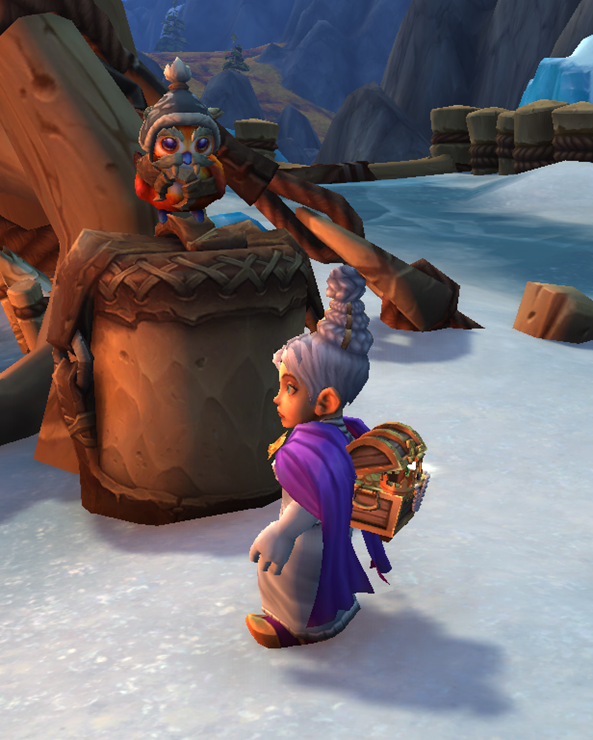
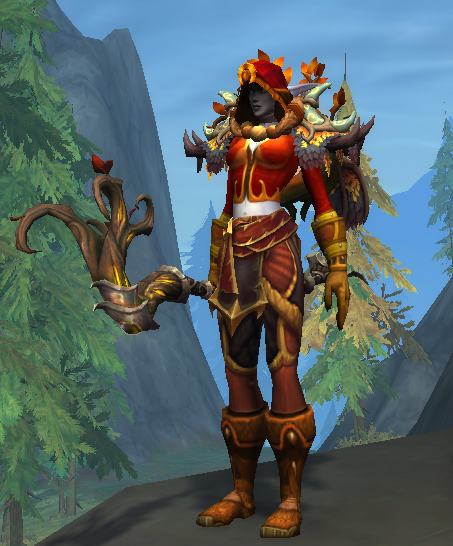
Images: World of Warcraft screencaps
Of Dice and Dragons talks about games and gaming.







 Co-Geeking
You must be logged in to post a comment.