We all have our storytelling pet peeves: the things that make us yell in frustration at the screen or put down a book in disgust. Some things have been done to death already and we want to see something new. Some things play on outdated assumptions and problematic tropes. Some are just lazy writing.
Misery loves company, so let’s share. Here’s a few of mine.
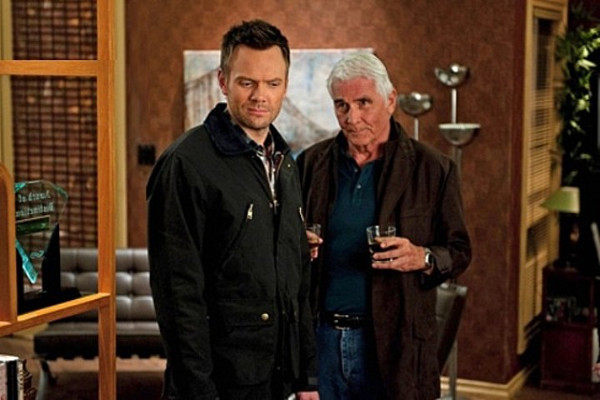 1. Fathers and sons who have a bad relationship.
A father who was never emotionally available to his son and is now disappointed in his son’s failure to live up to his expectations? A son who resents the pressure put on him to be like his father and craves the love and approval his father never gave him?
It’s been done. Really, it has. Everyone from Homer to Shakespeare to George Lucas has done it. That dead horse has been pounded into subatomic particles by now. There is nothing new to be said on the subject. Time to move on.
 2. Heroes who have no plan
Or if they do have a plan, it depends on factors that the hero can’t control or predict.
This doesn’t mean that plans have to be perfect or go off without a hitch. You can’t control for everything. Plans have to change in response to unforeseen events. There can be plenty of good drama in the uncertainties of chance, and I’ll even take the occasional deus ex machina if it’s clever enough. But a hero who’s counting on the deus ex machina for victory? That’s right out.
 3. Villains who have no goal
A good villain has a goal they are trying to accomplish and a plan for achieving that goal. No matter how fiendishly complicated the plan, if the goal is just to indulge a vaguely sexual obsession with the hero, something has gone wrong in the writing.
“Annoy the hero and force them to play with me” isn’t a goal, it’s a toddler tantrum.
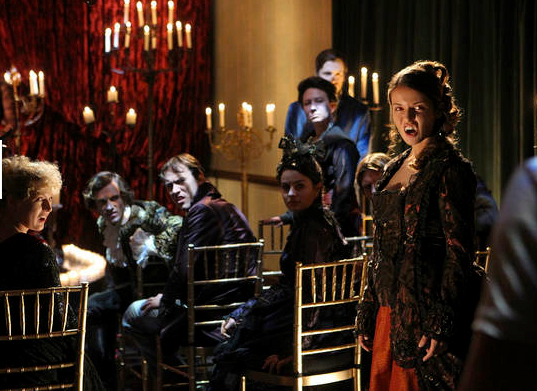 4. Weirdos who can’t tell fantasy from reality
A terrible murder has happened at an SFF convention. When the police show up to question witnesses, the bystanders refuse to speak English and answer all their questions in Klingon. It turns out a vampire cosplayer killed a werewolf LARPer. Why? Because vampires hate werewolves! No other motive required!
This one isn’t just lazy writing, it’s insulting. The usual targets are fandom or kink communities, but anyone who isn’t in the mainstream can be a victim. I’m a history professor. According to popular media, that means I must show up in class wearing a toga and insist that my students address me as “emperor.”
Writers of the world: the inability to distinguish reality and fantasy is a sign of a serious mental illness. It is not how those of us who belong to non-mainstream interest groups go through life.
 5. “Gimmick” serial killers
This one is really just the intersection of 3 and 4, but it shows up often enough to merit special mention. These are the characters who kill people as part of some elaborate symbolic game. “My God, the killer is targeting people whose names are anagrams of Alice in Wonderland characters and staging their bodies to look like scenes from Rogers and Hammerstein musicals, and they’re doing them in reverse alphabetical order when translated into Albanian!”
That sound you hear is my suspension of disbelief repeatedly slamming its head into a wall in hopes of inducing a coma.
I could go on, but that’s enough from me for now. Your turn. Got something on your mind that you could do without ever reading or watching again? Share in the comments!
Images: Community via ScreenCrush. Kirk via Memory Beta. Moriarty via Baker Street. CSI Blood Moon via dkompare. Se7en via Crash/Burn
Story Time is an occasional feature all about stories and story-telling. Whether it’s on the page or on the screen, this is about how stories work and what makes us love the ones we love.


 Co-Geeking


You must be logged in to post a comment.