A fundamental problem faced by pre-modern societies—and one which our own fictional societies may have to grapple with as well—is how to balance the demands of food production and war. The ways in which a culture managed this problem had deep effects on how that culture functioned, how its members related to one another, and how it dealt with outsiders. Thinking about how your fictional cultures deal with this problem is a useful worldbuilding exercise.
The problem is simple: the ability to produce food and the ability to protect one’s own food sources from other people who would take them by force are both essential to a society’s survival, but they compete for the same human resources.
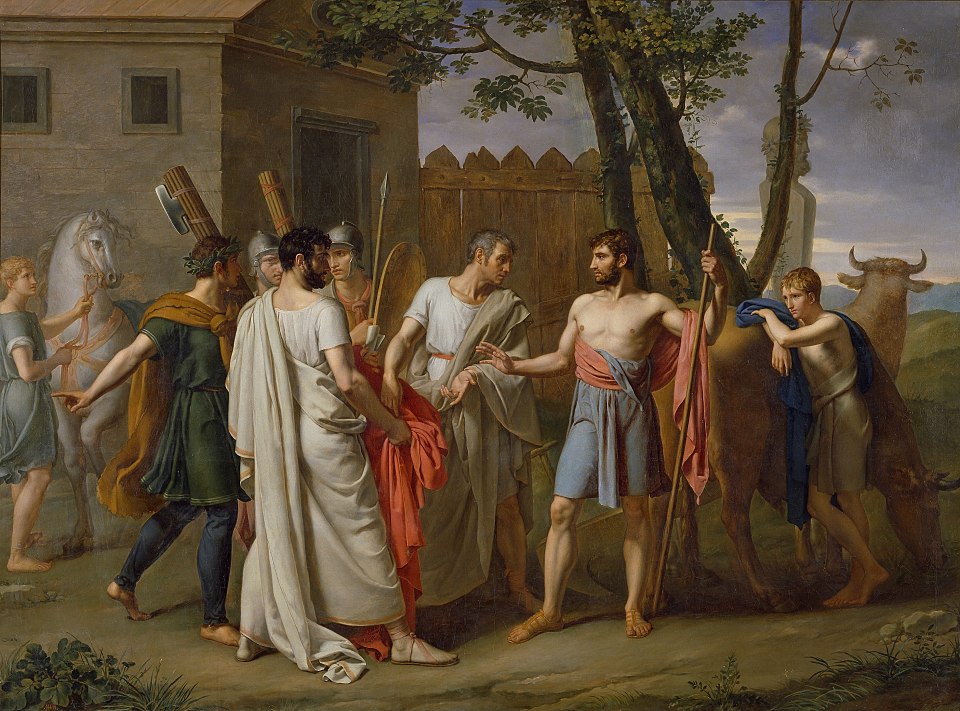
Food production is labor. In societies without industrial technology, it is the main occupation of at least ninety percent of the population. Food production can take many forms, such as farming planted crops, tending domesticated animals, gathering wild resources, or producing trade goods to exchange for food from abroad. While nearly the entire population of a pre-industrial society must contribute in some way to food production, the bulk of the work rests on the shoulders of healthy adults without other callings.
War is also labor. It demands physical competence and endurance, just like ploughing a field, managing a herd of cattle, or hauling in fish from the sea. The prime contributors to the labor of war are the same as the prime contributors to food production: healthy adults who aren’t needed for more specialized tasks.
War and food production compete for the same pool of labor. Every day that a person spends marching on campaign, laying siege to a city, repairing their armor, or standing watch at an outpost is a day they aren’t milking cows, weeding a vegetable garden, picking mushrooms in the woods, or making trade goods to exchange for food from abroad. To successfully produce enough food to feed itself and protect that food from from hostile outsiders, a society has to find a way of balancing these two needs.
Every culture’s solution to this problem is unique, but we can categorize the possible approaches in a few broad patterns, each of which come with certain advantages and drawbacks:
- Raiders. For raiders, fighting is itself a means of food production. A society can afford to spare people from food production to fight if the result of the fighting is bringing in at least as much food as those people would have produced had they stayed home and planted potatoes or gathered wild berries. The upside of raiding is that when it succeeds, the results can be extremely profitable. The downside is that the targets of raiding tend to respond by protecting their resources better or mounting a stiffer resistance, and when a raid fails it can lead to starvation and vicious internal conflicts over the limited resources left. Societies that live by raiding tend to be precarious and violent, and it is rarely a successful strategy in the long term.
- Citizen militia. In a society with a citizen militia, the people who produce the food also do the fighting. Most people spend their day-to-day lives farming, herding, fishing, or practicing other essential crafts, but when there is a threat, they are called up to fight in defense of their homes. The advantage of this solution is that it puts a minimum burden on food production. Farmers and herders are not carrying the dead weight of full-time soldiers who don’t contribute to food production, and as soon as the fighting is over, they can get right back to their usual business. The drawback is that such society cannot sustain a long-term military effort or fight far from home. Every person in the militia needs to get back to their farm or ranch as quickly as possible or risk losing their harvest or herd. Societies that take this approach tend to have strong social cohesion and a sense of civic obligation among people, because without it they would never be able to get people to leave their homes and livelihoods to go fight. They also tend to face frequent wars, because the can rarely afford to commit the troops and supplies necessary to decisively defeat their enemies and eliminate threats to their territory.
- Warrior aristocrats. Where there are warrior aristocrats, the people who do the fighting have people to produce food for them. A pre-industrial society can sustain a small number of full-time warriors if each one directly controls a food source, such as a spread of farmland or a large herd of cattle, and has subordinates whose job it is to work that food source for the warrior in addition to working for their own sustenance. On the plus side, this arrangement allows for a small but full-time fighting force without taking away from food production. Warrior aristocrats can be prepared to fight at a moment’s notice and can afford to be away from home for long periods. On the other hand, such societies tend to fragment, as each warrior aristocrat has good reason to stay close to their own resources and little incentive to risk themselves in defense of the farms or herds belonging to another aristocrat.
- Professional armies. With a professional army, some central authority gathers food from the people who produce it and provides it to the people who do the fighting. Unlike warrior aristocrats, the soldiers in a professional army do not have their own food sources which they directly control; they depend on the state for their supplies. On one hand, this system can create a well-trained, experienced army that can operate in the field indefinitely and far from home, as long as they keep getting supplies. On the other hand, the process of gathering resources from producers, coordinating logistics, and delivering food to where it is needed is a substantial additional burden on state power and usually requires a whole professional bureaucracy dedicated to oversight and record-keeping, which itself is a further drain on the labor pool available for food production. A culture that maintains a professional army requires a high degree of centralized organization and control, which are likely to manifest themselves in other areas of life.
Food production and war are two of the most fundamental activities for most pre-modern societies. The different ways in which societies have historically reconciled the competing demands of these activities had deep effects on the lives of the people who lived in them. If you are writing about a pre-industiral society in your own imagined world, even if you aren’t writing directly about farming or fighting, it’s worth taking some time to think about how your culture solves this problem and what effects that solution has on the daily lives of your characters.
Image: Cincinnatus Leaves the Plough to Dictate Laws to Rome via Wikimedia (Prado Museum, Madrid; c. 1806; oil on canvas; by Juan Antonio Ribera)
History for Writers looks at how history can be a fiction writer’s most useful tool, from worldbuilding to dialogue.


