Not long ago I found myself reflecting on my history playing Dungeons & Dragons. It’s been a bit of an odd road. I first started playing in the days of Advanced Dungeons & Dragons in the late 80s, continuing on with the 2nd edition of AD&D in the 90s. I then had a break from the game until I started playing again with a group of friends in grad school in the mid-aughts. Version 3.5 of the game had come out by then, but we kept playing with the 2nd edition rules. I then had a long hiatus from D&D until 2021, when I started playing 5th edition.
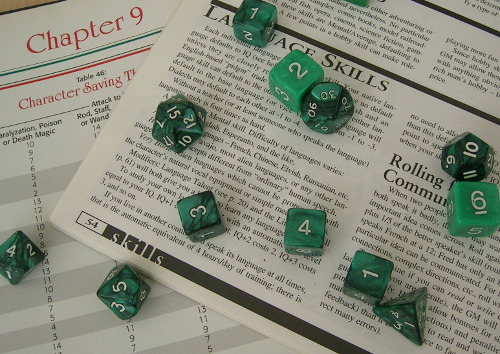
In some senses, the long break from the game was good, since I lost a lot of gaming muscle memory in the meantime and didn’t have as much to fight against when learning the new edition. On the other hand, missing out on so much of the ongoing development of the game also meant having to make some big adjustments to my basic approach to running games when I started up again. I’ve been thinking for a while about how to put that shift into words, and I think I can sum it up best like this:
Advanced Dungeons & Dragons was designed for people who like rules. 5th edition Dungeons & Dragons was designed for people who like options.
In AD&D, the rules spell out very clearly what a character can and cannot do. A DM’s job is to apply those rules consistently and fairly so that players can do their best to overcome challenges while staying within those rules. Fighters can’t be sneaky; that’s a Thief thing. Magic Users have to figure out their spells at the beginning of every day, then they have to make the best of their choices. Characters get XP from killing monsters and finding treasure; they’ll level up when they reach the right amount on the chart and not before.
In 5th edition, players have lots of options for how to approach any given challenge, and the rules have a lot of flexibility built into them to allow for alternative solutions. A DM’s job is to present the players with interesting challenges that push them to be creative. Fighters can be sneaky if they roll well on Stealth. Spellcasters have spell slots they can use for any spell they have prepared. A DM has options, too. You can use XP for leveling if you want, or you can just say: “You completed the adventure and saved the day. Everyone gets a level!”
Neither way of gaming is wrong. Some players thrive on the challenge of a tightly prescribed set of rules—chess hasn’t survived for thousands of years by being wacky and unpredictable. They want and enjoy a game with fixed parameters, where failure has a real cost and victory comes through precise tactical execution. That’s the gaming experience that AD&D delivers, but I’ve learned in the past couple years that it’s not the gaming experience I enjoy best. I’m happy with 5th edition’s flexibility and willingness to let players figure out their own ways of engaging with the challenges an adventure presents them with.
It used to be my job as DM to make my players play by the rules. Now it’s my job to make them make the most of their options. I like this way better, but that doesn’t the other way bad; it’s just a different way of playing.
Image by Erik Jensen
Of Dice and Dragons talks about games and gaming.
 Co-Geeking
You must be logged in to post a comment.